



As the Sudan People’s Liberation Movement (SPLM) gears up for the scheduled December 2026 general elections, its strategists may naturally be inclined to fall back on one of its most familiar and historically potent assets: the narrative of liberation. In a normal political context, having founded the state and led a decades-long struggle for self-determination could serve as a powerful political shield. But as South Sudan faces a major electoral test since independence, the ruling SPLM finds itself caught between a rock and a hard place.
The core vulnerability of the SPLM’s campaign lies in a stark chronological reality: 21 years have passed since the signing of the Comprehensive Peace Agreement (CPA) in 2005. Two decades is more than enough time for political capital to depreciate if it is not backed by tangible results and structural transformation.
The broken Promise
During the darkest years of the liberation struggle, the movement forged what many of its supporters regarded as a social covenant with rural populations. The promise was simple yet profound: endure the ravages of conflict, give your sons and daughters to the struggle, and the reward will be a sovereign nation where prosperity, modern healthcare, quality education and dignity are guaranteed.
Today, that compact is severely strained. For many rural citizens, the lived reality under 15 years of independence has often fallen far short of those expectations, with poverty, limited public services and insecurity continuing to shape daily life. As the SPLM enters a national campaign heavily relying on historical nostalgia, it risks appearing disconnected from a population whose daily existence is defined by economic hardship and institutional weaknesses. History alone does not pay school fees, stabilise inflation or build functioning clinics.
The Trap of Incumbency
This creates a profound strategic dilemma. If the SPLM abandons its liberation history, it risks discarding part of its foundational identity. Yet if it leans too heavily on that history, it invites an unforgiving comparison between the promises associated with the liberation struggle and the governance record of the present.
The very card the SPLM may hope to play against its opponents — its claim to having led the struggle that culminated in independence — could become a political liability if voters perceive that historical credentials have not been matched by sufficient progress in governance and development.
An electorate, particularly a younger demographic with little or no personal memory of the liberation wars, may judge a government primarily by its current record rather than its historical achievements. When that record is perceived as showing decades of political dominance without commensurate socio-economic gains, relying heavily on liberation credentials may do little to address voters’ contemporary concerns.
Options for the SPLM
To strengthen its standing, the party’s campaign strategy could take a more comprehensive approach.
First, it could acknowledge the gap by candidly recognising that 21 years of political dominance have been accompanied by serious missteps, institutional weaknesses and delayed promises. Such acknowledgement could help the party address public frustration rather than appear defensive.
Second, it could shift from the past to policy by moving beyond an exclusive focus on what was achieved during the liberation struggle or at the negotiating tables that produced the 2005 CPA. Instead, it could campaign on a rigorous and actionable programme to address the economy, strengthen rural healthcare and education, improve public services and protect the livelihoods of ordinary citizens.
Furthermore, the SPLM leadership could redefine the social contract by moving away from an appeal based primarily on historical sacrifice and towards a political programme centred on peace, constitutional governance and economic recovery. This would respond to a population increasingly concerned with its present circumstances and future prospects.
It could also institutionalise youth inclusion by visibly elevating a new generation of technocrats and political leaders who speak to the demands of modern governance. Such a shift would signal an effort to adapt to a changing and predominantly young population.
Finally, the party could embrace constructive dialogue by treating rigorous public debate over governance and service delivery not as a threat, but as an opportunity to sharpen its policies and demonstrate political maturity.
Conclusion
Ultimately, the December 2026 general elections represent more than a routine democratic exercise; they are likely to be an important test of governance and political institutions in South Sudan. For the SPLM, the challenge is to balance its revolutionary history with the demands of contemporary governance and demonstrate that its political mandate can be sustained by present-day performance.
If the party relies too heavily on the historical legitimacy of the liberation struggle without addressing current grievances and expectations, it risks turning a historic national milestone into a test of whether its past achievements remain sufficient to secure public confidence.
The SPLM leadership’s next moves will help determine whether the promises associated with the liberation struggle translate into tangible improvements in citizens’ lives or remain largely unfulfilled political commitments.
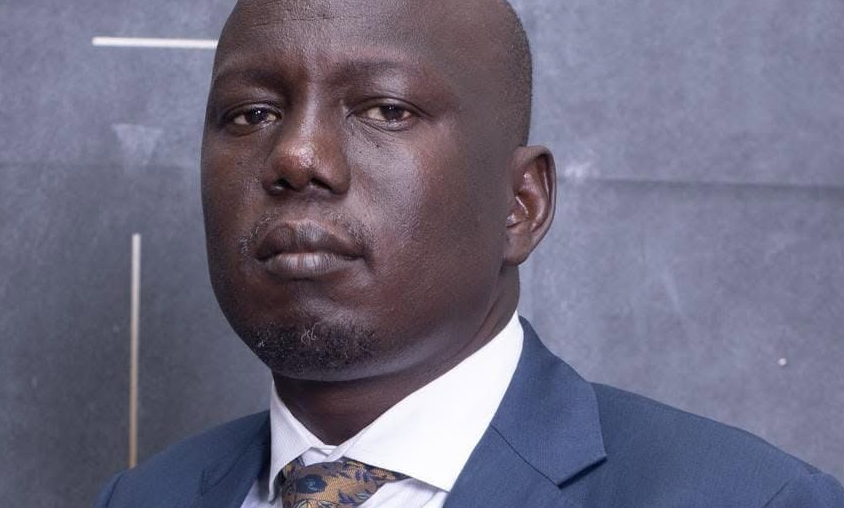
The writer, Michael Thon Mangok, is a political analyst based in Juba and a former host of the Wake-Up Juba political talk show at Radio Bakhita.
The views expressed in ‘opinion’ articles published by Radio Tamazuj are solely those of the writer. The veracity of any claims made is the responsibility of the author, not Radio Tamazuj.

 and then