



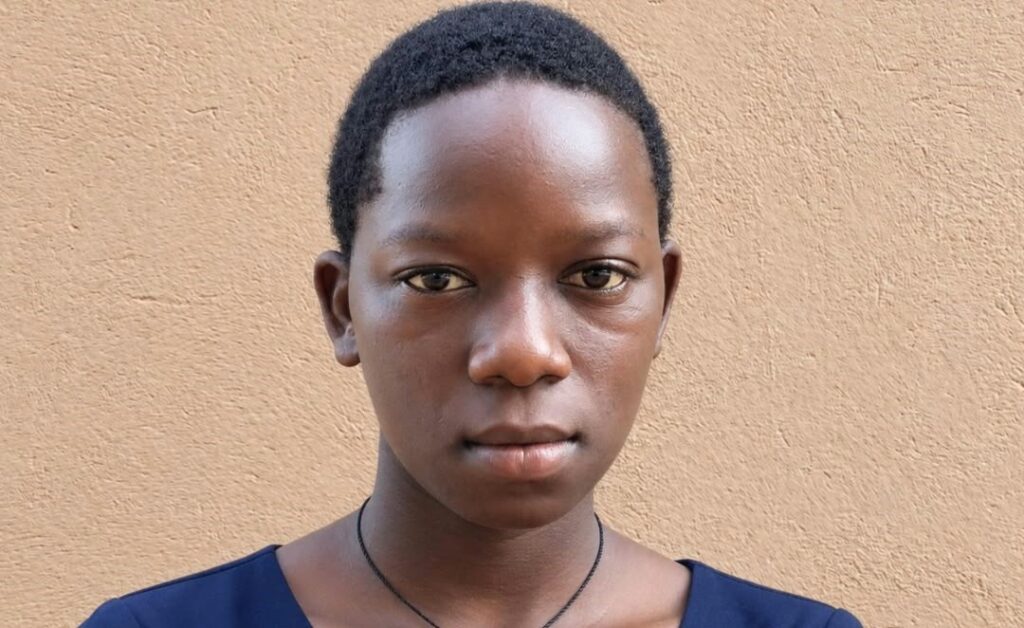
At 18, Mercy Julie should be looking ahead to completing her education and building a career. Instead, she spends her days baking and selling mandazi to earn a living after poverty forced her to leave school before completing primary education.
Julie, a former pupil of Yambio Primary School in Western Equatoria State, dropped out in Primary Five when her father could no longer afford to pay for her education.
Although she has been out of school, she has not abandoned her ambition to return to the classroom. She has sought financial assistance but has so far been unable to secure the support she needs.
“I want to go back to school, but I don’t have money. If I get another chance and opportunity, I will be able to go back again,” she said.
Since leaving school, Julie has turned to baking and selling mandazi, a popular fried dough snack, to meet her basic needs. The small business provides her with a means of supporting herself, but it has not brought her closer to the education she hopes to resume.
Her experience reflects the difficulties facing many girls in the state, where poverty, early marriage, teenage pregnancy, insecurity and education costs continue to interrupt schooling and limit opportunities for young women.
For families struggling to meet basic needs, paying school fees and other education-related expenses can become difficult. In some households, girls are particularly disadvantaged when parents must choose which children can continue their studies.
Western Equatoria State Minister of General Education and Instruction Patrick Riruyo said poverty often leads families to prioritise boys’ education over girls’ when resources are limited.
He said early marriage and teenage pregnancy are also contributing to girls leaving school, with young mothers facing additional difficulties returning to education because of childcare responsibilities and inadequate family support.
“When a girl gets married at an early age, she may have children one after another, making it difficult for her to return to school,” Riruyo said.
He said social expectations that women should remain at home to raise children, coupled with inadequate childcare arrangements, further restricted young mothers’ opportunities to resume their studies.
Girls who become pregnant outside marriage may also face pressure from their families and communities, adding to the challenges of remaining in education, he said.
Riruyo identified household responsibilities, including caring for sick relatives, and cultural beliefs that place greater value on marriage than girls’ education as other factors contributing to absenteeism and school dropout.
He urged parents to share domestic responsibilities more equally between boys and girls and to recognise the importance of educating their daughters.
The cost of dropping out
Leaving school can have consequences that extend well beyond missed lessons and examinations, affecting girls’ confidence, economic independence and prospects for employment.
Riruyo said girls who do not complete their education often face limited job opportunities, economic dependence, health risks and social stigma.
Some develop low self-esteem and become reluctant to speak in public because they fear being ridiculed for not having completed their studies, he said.
Without formal education, girls may also struggle to secure skilled employment, leaving them with fewer opportunities to earn an independent income and increasing their dependence on others.
However, the minister acknowledged that his office did not have reliable statistics showing how many girls had dropped out in Yambio or establishing the specific reasons for their departure.
He called for stronger education data collection to establish dropout rates, identify the main causes and guide appropriate interventions.
Reliable information would help authorities determine whether affected learners need financial assistance, improved school facilities, changes in cultural attitudes or other targeted support, he said.
Bob Moses, team leader for Western Equatoria at African Education Trust, an organisation affiliated with Street Child, also identified poverty, early and forced marriage, teenage pregnancy and family responsibilities as major obstacles to girls completing their education.
He said some girls leave school because their families cannot afford education expenses, while others become pregnant or abandon their studies to earn an income.
Moses also expressed concern that the desire for smartphones and other consumer goods associated with modern lifestyles could influence some girls to make decisions that interrupt their education.
He said family breakdown and a lack of parental support could leave young mothers and their children particularly vulnerable.
Insecurity and examination fees present additional barriers, particularly in areas where access to education programmes and examinations is already difficult.
Moses said insecurity had previously prevented education partners from reaching some communities during girls’ education programmes, citing Nagero, Kediba and parts of Tambura and Nagero as affected areas.
Some learners had also been unable to register for the Primary Leaving Examination because of insecurity, while others risked missing the 2026 Senior Four examinations because their families could not afford the required fees, he said.
Moses called for a survey to establish how many learners, particularly girls, were leaving school because they could not pay examination fees.
“If we have 200 or 300 learners dropping out because they are unable to pay the examination fee, what are we doing as stakeholders, as government, as church leaders and as community elders to support these learners?” he asked.
He urged government institutions, churches, education partners and community leaders to identify affected learners and develop practical ways to help them complete their examinations.
Moses acknowledged that the government faced financial and logistical challenges in transporting examinations and ensuring that learners could access education in some parts of the state.
African Education Trust and other education partners were helping to address some of these gaps, but could not resolve all the challenges independently, he said.
A route back to education
For girls who have left conventional schooling, alternative education programmes offer an opportunity to resume their studies and pursue qualifications.
Moses said African Education Trust, working within the Street Child family, was providing alternative learning opportunities for young people unable to continue through the mainstream education system, including girls who had become pregnant or given birth.
Through its Accelerated Secondary Education Programme, the organisation supports eligible learners at two levels: Level Five, covering Senior One and Senior Two, and Level Six, covering Senior Three and Senior Four.
Eligible learners can complete their secondary education within two years and obtain a certificate, subject to the programme’s requirements, Moses said.
The qualification can allow graduates to pursue further studies or professional careers, depending on their academic results and admission requirements.
Moses cited learners previously supported by the organisation who were training to become secondary school teachers through a sponsorship programme at the Catholic University.
He said such opportunities demonstrated the importance of investing in young people who might otherwise be excluded from education.
But he stressed that helping vulnerable learners return to school should not be left to non-governmental organisations alone.
He called on the government, universities, churches, community leaders and development partners to expand scholarships and provide assistance with examination fees.
Funding and policy challenges
Riruyo said inadequate funding, limited school infrastructure, poverty, insecurity in some areas and insufficient vocational training opportunities continued to undermine efforts to improve girls’ access to education.
He said reductions in international donor assistance, including the closure of the United States Agency for International Development, had affected education and other development programmes.
Limited resources had made it difficult to expand initiatives aimed at preventing school dropout, supporting vulnerable girls and helping young mothers return to education, he said.
The minister called for more schools, improved facilities that respond to girls’ needs, expanded vocational training and livelihood support for those who had left formal education.
He recognised the contributions of UNICEF, non-governmental organisations and development partners but urged them to strengthen and sustain their investments. He also encouraged local organisations and institutions to take greater initiative rather than relying entirely on external funding.
Riruyo said the state government had developed a Girl Child Education Bill with technical assistance from the United Nations Mission in South Sudan, particularly its protection department, working with the state education ministry.
The draft legislation had reached an advanced stage before the government was dissolved and Parliament closed, preventing it from being presented for consideration, he said.
Riruyo said he had reviewed the document and identified provisions requiring further discussion with the relevant minister before it could be prepared for presentation to a new Parliament after the elections.
He said stronger legal protections, increased public investment and community awareness were necessary to ensure girls could pursue education without discrimination or pressure to marry early.
The minister also urged development partners to expand scholarships, vocational training and awareness campaigns highlighting the risks associated with early marriage and teenage pregnancy.
Keeping the dream alive
For Julie, returning to school remains an ambition rather than a certainty. Her experience illustrates how financial hardship can interrupt a girl’s education and leave her struggling to find a path back into the classroom.
Riruyo urged girls who had left school because of marriage, pregnancy or financial difficulties not to abandon their ambitions.
He encouraged them to seek support from parents, teachers, community leaders and education authorities to explore opportunities to resume their studies.
The minister urged girls to pursue careers in medicine, engineering and other professions, while drawing inspiration from successful women in their communities.
Moses similarly encouraged girls who had dropped out to remain determined and take advantage of available learning opportunities.
“Please wake up, shine and try to push forward,” he said.
He stressed that girls should be given opportunities to express themselves, build confidence and make informed decisions about their futures.
Note: This feature story is part of a series amplifying the voices of girls across South Sudan, sharing their personal experiences, challenges, hopes and aspirations, and highlighting the issues affecting their rights, safety and future.

 and then