



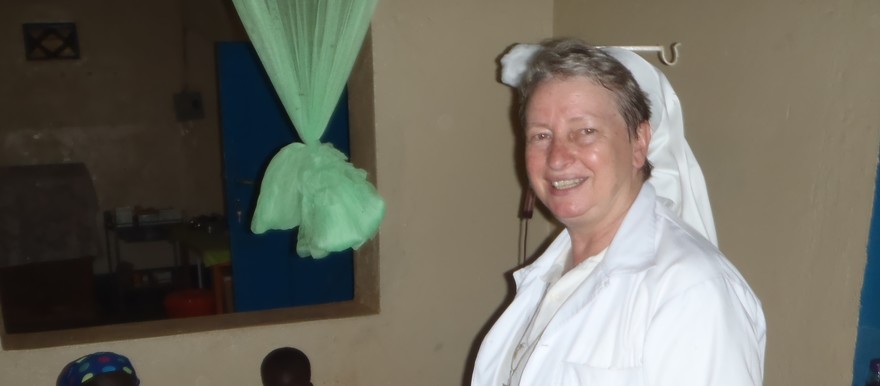
Slovakia on Sunday marked the 10th anniversary of the death of Slovak nun and doctor Veronika Racková, who was shot in South Sudan while serving as a missionary, with renewed calls for progress toward her possible beatification, the Fides News Agency reported.
Racková, a member of the Congregation of the Missionary Sisters of the Servants of the Holy Spirit, was killed on May 16, 2016, when she was shot at a checkpoint while returning from an emergency medical call in Yei.
She was evacuated to Nairobi, where she died of her injuries on May 20, 2016.
Born in 1958 in Bánov, then Czechoslovakia, Racková trained as a doctor and worked as a missionary in Ghana and later in Sudan before South Sudan gained independence in 2011. She later headed St. Bakhita’s Medical Center in Yei, where she provided maternal and emergency healthcare services.
She was returning from assisting a woman with childbirth complications when she was shot by armed men identified at the time as government soldiers.
Speaking at a memorial Mass in her hometown on Sunday, Apostolic Nuncio to Slovakia Archbishop Nicola Girasoli described Racková as a model of missionary commitment and called for continued support for her beatification process.
“Her witness of Christian life is beautiful,” he said, according to a church statement.
In her final interviews before her death, Racková said she and her fellow missionaries chose to remain in the area despite worsening security, saying they believed they were “in the right place at the right time.”
She also stressed solidarity with vulnerable communities and cautioned against assumptions when working in developing countries.
South Sudanese church leaders have previously said her death underscored broader concerns about insecurity and accountability in conflict-affected areas.
In 2019, Slovakia’s then-president Andrej Kiska posthumously awarded her a state honour for her humanitarian and medical work.
Racková’s legacy is commemorated in both Slovakia and South Sudan, where she spent several years providing healthcare in underserved communities.

 and then