



The recent visit by President Salva Kiir Mayardit to one of the states has reignited public debate over South Sudan’s general elections scheduled for December 2026. Although the visit was part of routine government activities, it has brought renewed attention to the political discussions surrounding the upcoming electoral process at a time when the country faces a far more urgent challenge: the growing threat of Ebola.
While political actors remain preoccupied with electoral preparations and competition for power, current public health realities demand a reassessment of national priorities. When the lives of citizens are threatened by a potentially deadly epidemic, protecting human life must take precedence over political considerations.
According to the World Health Organization (WHO), Ebola is among the most dangerous viral diseases affecting humans, with fatality rates reaching as high as 90 percent during some outbreaks. Despite advances in supportive treatment and disease management, controlling Ebola requires a comprehensive response involving disease surveillance, contact tracing, laboratory capacity, isolation facilities, and extensive public awareness campaigns.
South Sudan faces a genuine risk of Ebola importation due to ongoing outbreaks in both the Democratic Republic of the Congo and Uganda. These concerns are heightened by the significant movement of people and goods across the country’s borders. Daily cross-border interactions for trade, employment, and family connections increase the likelihood that the disease could spread into South Sudan.
The country’s fragile healthcare system further amplifies this risk. Years of conflict and instability have weakened health infrastructure, resulting in shortages of qualified medical personnel and limited technical and logistical capacity to respond effectively to large-scale disease outbreaks. Should Ebola establish local transmission within South Sudan, the humanitarian and economic consequences could be severe and may overwhelm existing response mechanisms.
For these reasons, Ebola should be viewed not merely as a public health concern but as a matter of national security. The strength of a nation is measured not only by its ability to conduct elections but also by its capacity to protect its citizens from threats to their lives and well-being. Consequently, directing national resources toward strengthening healthcare preparedness, securing border entry points, training health workers, and enhancing public awareness should be an immediate priority.
This is not an argument for abandoning elections or rejecting democratic processes. Rather, it is a call for policymakers to evaluate national priorities in light of prevailing circumstances. If public health risks escalate to a level that threatens the safety of citizens on a large scale, it may become necessary to reconsider the electoral timetable through lawful and constitutionally grounded mechanisms that enjoy broad national consensus.
The foremost responsibility of any government is to safeguard the lives, security, and welfare of its people. Elections, important as they are, remain a means of achieving stability and development—not an end in themselves. Lives lost to a preventable epidemic, however, cannot be restored.
In the face of current challenges, political leaders, civil society organizations, international partners, and citizens alike must unite in confronting the health threats facing the nation. The success of any political or electoral process ultimately depends on the existence of a healthy, secure, and resilient society capable of shaping its own future.
South Sudan’s future does not depend solely on the timing of elections. It depends first and foremost on the state’s ability to protect its people from dangers that threaten their lives. Therefore, the national priority today should be strengthening preparedness and response measures against Ebola, because protecting human life remains the foundation upon which stability, development, and democracy are built.
May God Almighty bless our beloved country.
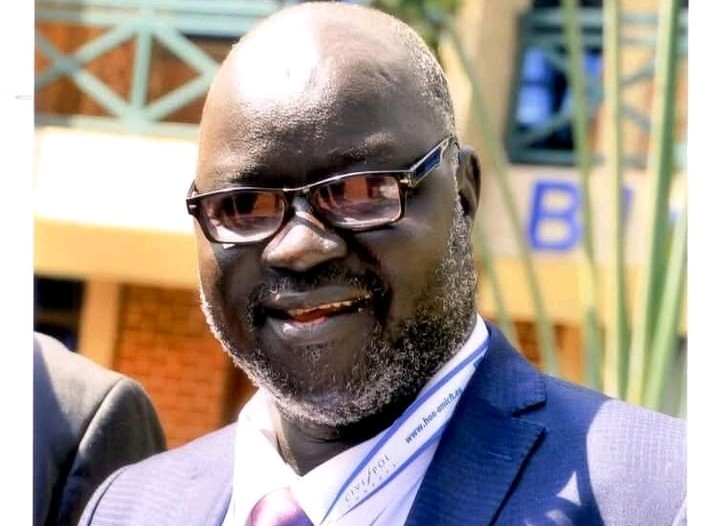
William Sunday D. Tor is a political and social researcher and currently a Lecturer of Security Studies, International Development, and Regional Planning at Starford International University, Juba. He can be reached via williamtor2011@gmail.com.
The views expressed in ‘opinion’ articles published by Radio Tamazuj are solely those of the writer. The veracity of any claims made is the responsibility of the author, not Radio Tamazuj.

 and then