



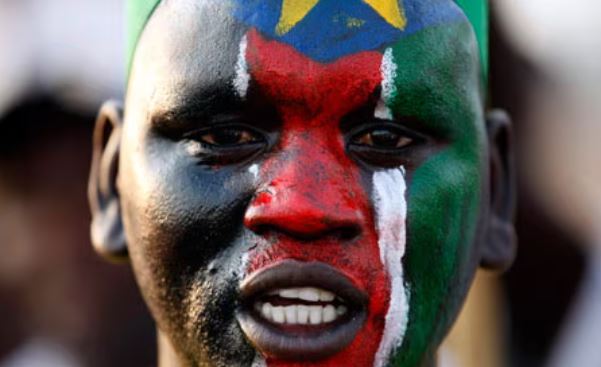
In Munuki Block Council, Juba City, on July 30, I heard drum beats from a few families in my neighbourhood. I was told it was Martyrs’ Day. I witnessed children waving small flags. Trusted sources said officials laid wreaths on the graves of their loved ones, including at the mausoleum of Dr. John Garang.
On the streets of Munuki, however, the mood felt less like a celebration and more like a reckoning. That was the 2026 Martyrs Day I witnessed.
Every July 30, South Sudan stops to remember Garang, who died in a helicopter crash 21 days after becoming First Vice President of Sudan in 2005. The same is happening for the two million who never lived to see the independence flag go up in 2011. That was the price paid in blood for a country of their own.
This year, the price is being counted again, not in history books, but in market lines, in classrooms without teachers, and in conversations about who deserves the vote next.
The question asked was simple. We got independence; what else?
There were no grand parades in 2026. The Ministry of Culture said there was no budget. It was only a call to mark the day “with dignity.”
For many in Juba, Bor, and Wau, dignity feels thin. Widows of fallen soldiers stood at memorials with children who have never met their fathers.
Orphan groups repeated the same request they have made for years: school fees, healthcare, a livelihood. Church leaders used their sermons to speak of families living under plastic sheets and drinking water they don’t trust.
One elder said if the martyrs died for a future, then we are still waiting for it to arrive.
That gap between sacrifice and reality is what made the 2026 Martyrs’ Day different. It’s no longer only about looking back. It’s about looking forward to the ballot come December 2026.
The memory has shifted from the Battlefield to the Ballot Box
With national elections on the horizon, the memory of 2005 is becoming political currency.
On one side, the government argues that independence itself was the fulfilment of Garang’s dream. That unity and patience are needed to finish the work.
On the other hand, opposition leaders and youth organizers are asking a harder question: If so many died for peace, jobs, and services, why do so many still lack them now?
Analysts have warned that this question will determine the votes.
In a country where almost every family lost someone, appeals to legacy only work if they come with a plan. Candidates who speak to veterans’ families, to food prices, to security in the counties, will find open ears. Those who only quote speeches from 2005 are most likely to meet silence.
Those expecting to get legitimacy through the ballot should use the 2016 Martyrs’ Day as a mirror. The question citizens are asking is one and simple….. Did you build what they died for?”
The 2026 Martyrs’ Day showed one more thing. Two South Sudan, One Day.
Officially, it was about culture and continuity. Traditional songs filled the air. Students recited Garang’s vision of a united, prosperous nation.
Unofficially, it was about math. The math of rent versus salary. Of clinic fees versus income. Of promises made in 2005 versus results in 2026.b
When the flag came down at sunset. The songs ended. What remained was the question Martyrs’ Day can no longer avoid: Will South Sudanese honour the dead by voting for continuity, or by demanding change?
In 2011, the vote was for independence. In 2026, the vote may be for what independence was supposed to mean.
The author is a concerned South Sudanese. The views and opinions expressed in the article are solely his and do not necessarily represent the official position, policy, or views of any political party, institution, organization, employer, affiliate, or association with which he works or collaborates. He can be reached at srumbe@gmail.com.
The views expressed in ‘opinion’ articles published by Radio Tamazuj are solely those of the writer. The veracity of any claims made is the responsibility of the author, not Radio Tamazuj.

 and then