



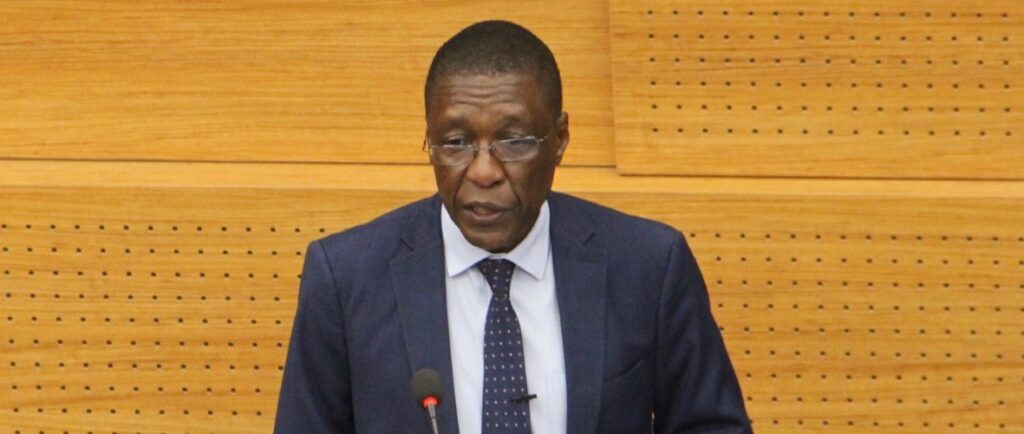
South Sudan is lagging far behind schedule in preparing for December’s planned elections, with critical conditions for a credible vote still unmet despite recent progress on voter education and political party registration, the country’s peace monitoring body told the U.N. Security Council.
In a briefing to the 15-member council on Thursday, the Reconstituted Joint Monitoring and Evaluation Commission (RJMEC) said preparations for the Dec. 22 elections were continuing but warned that the process remained significantly behind schedule just five months before polling day.
RJMEC said the National Elections Commission had launched nationwide civic and voter education campaigns after receiving additional government funding, while the Political Parties Council had registered 39 political parties before the June 30 deadline.
However, it said those steps fell far short of what was needed for credible elections.
“Critical prerequisites for the conduct of credible, peaceful and inclusive elections remain unmet,” RJMEC Chairperson George Aggrey Owinow told the council, urging South Sudan’s leaders to build political consensus through “inclusive and genuine dialogue.”
The commission said urgent decisions were needed on unresolved legal and political questions, completion of the unification of forces, protection of civic and political space, adequate funding for electoral institutions and improving security in conflict-affected areas, while also addressing the displacement of civilians.
The warning comes as President Salva Kiir’s government insists the country remains on course to transition from a transitional administration to an elected government following elections scheduled for Dec. 22. Opposition parties, civil society groups and international observers have repeatedly questioned whether conditions exist for a credible vote.
RJMEC said implementation of the 2018 peace agreement had been “significantly constrained” by a political and security impasse that has persisted since March 2025, undermining trust among the parties and disrupting implementation of key governance and security provisions.
The commission also criticised recent amendments to the peace agreement that removed the permanent constitution and national census as prerequisites for elections, saying the changes were made without following procedures required under the accord.
It warned that the security situation remained fragile, with continued clashes involving government and opposition forces in Upper Nile, Jonglei, Unity and parts of Equatoria. Implementation of the permanent ceasefire remained partial, while Phase II of the unification of forces, broader security sector reforms and disarmament programmes had stalled.
RJMEC said worsening humanitarian conditions, including displacement, food insecurity and restricted humanitarian access, were also limiting the participation of women, young people and people with disabilities in political and civic processes. Women’s representation continued to fall below the 35% quota required under the peace agreement.
Despite the challenges, the commission noted progress in public financial management reforms, oil revenue oversight and public consultations under the permanent constitution-making process.
RJMEC urged the Security Council to back implementation of the African Union C5 Plus Declaration, support an inclusive South Sudanese political dialogue, press the parties to de-escalate tensions and release political detainees, including First Vice President Riek Machar, and increase political, technical and financial support for electoral institutions.
The commission warned that failure to break the current political deadlock could jeopardise both South Sudan’s fragile peace agreement and regional stability.
“It remains concerned about the danger posed to regional and international peace with a potential collapse of the R-ARCSS and a relapse to violence in South Sudan if urgent, firm and decisive steps are not taken,” Owinow said.

 and then