



Residents of Sudan’s Blue Nile region are facing difficult humanitarian and living conditions amid continued electricity outages in the cities of Damazin and Roseires.
The power cuts have disrupted water supplies, raising fears that residents’ suffering will worsen amid deteriorating living conditions and shortages of essential services.
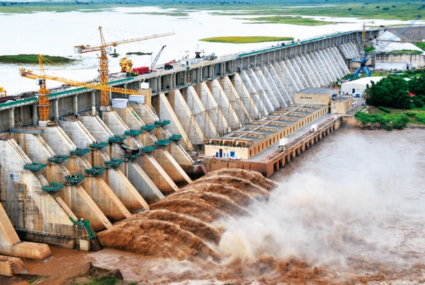
The electricity crisis began after a power-generation station was reportedly targeted by a drone on Tuesday night. The attack caused a blackout across residential neighborhoods in Damazin and Roseires, plunging both cities into darkness. There is still no clear information about when a stable electricity supply will be restored.
Talal Ali, a resident of the Al-Riyadh neighborhood in Damazin, said the attack on the power station had directly affected residents’ daily lives. He added that the price of a water container had reached 3,000 Sudanese pounds.
“The consequences of the power outage have extended beyond lighting and household services to drinking-water supplies,” he said. “Water-pumping operations have been disrupted, forcing residents to seek alternative sources to meet their daily needs.”
Abbakar Yahya, a resident of the Al-Safa neighborhood in northern Damazin, said his home had completely run out of water while electricity remained off.
“We don’t have a single drop of water at home, and even cooking flour is unavailable,” he said. “We haven’t showered for three days, and we are struggling to find a donkey cart loaded with water.”
The crisis is placing an additional burden on women, children and elderly people, particularly in neighbourhoods that depend heavily on water-pumping stations. Concerns are also growing over health and environmental risks resulting from difficulties accessing clean water.
Halima Al-Daw, a resident of Al-Matar neighborhood, Block 59, said residents were facing significant difficulties obtaining drinking water. She noted that a water container cost 3,000 pounds, while a barrel had reached 17,000 pounds.
“Since morning, we have been searching for water, and we haven’t even had breakfast yet. There is no water for bathing or drinking,” she said. She concluded with an appeal to the authorities: “Please help us.”
Water prices vary from one neighborhood to another, depending on the distance from available water sources. This is increasing the financial burden on households, particularly those with limited incomes.
Residents are calling on the relevant authorities to urgently repair the damage to the power-generation station, restore electricity, and implement emergency measures to ensure continued access to drinking water.
No comment could be obtained from the electricity or water authorities regarding the extent of the damage, the measures being taken to address it, or the expected timeline for the stable restoration of services.
Caught between darkness caused by the electricity blackout and severe shortages of drinking water, residents of Blue Nile are facing yet another service crisis, adding to an already extremely difficult humanitarian and economic situation.
The crisis comes as fighting continues between the Sudanese Armed Forces, the Rapid Support Forces and their ally, the Sudan People’s Liberation Movement, in the localities of Kurmuk, Geissan and Wad Al-Mahi. Displacement from conflict-affected areas is also continuing, placing additional pressure on the already limited services in Damazin and Roseires and worsening residents’ suffering day by day.

 and then