




The arrest of 17 people for allegedly violating municipal sanitation regulations may send a strong warning to residents who turn public spaces into dumping grounds. But arresting offenders alone will not solve Juba’s long-standing sanitation crisis. The capital needs serious leadership, reliable waste management and consistent enforcement, not another short-lived cleanliness campaign.
For years, Juba has struggled with indiscriminate rubbish disposal, overflowing garbage sites, blocked drainage channels and dirty public spaces. These problems expose residents to health risks, environmental pollution and flooding, while undermining the image of a capital that should represent South Sudan’s development ambitions.
The latest arrests raise an important question: are municipal authorities finally committed to keeping Juba clean, or is this another temporary crackdown that will disappear after attracting public attention?
There is no doubt that residents who deliberately dump rubbish on roadsides, in markets and drainage channels must be held accountable. Public cleanliness cannot be achieved when people ignore basic sanitation regulations. However, the government must also accept that enforcement without service delivery is ineffective and unfair.
You cannot demand a clean city while failing to provide the services that make cleanliness possible.
Where are the reliable garbage collection systems? Are there enough designated waste disposal sites? How regularly are drainage channels cleared? These are fundamental questions municipal authorities must answer.
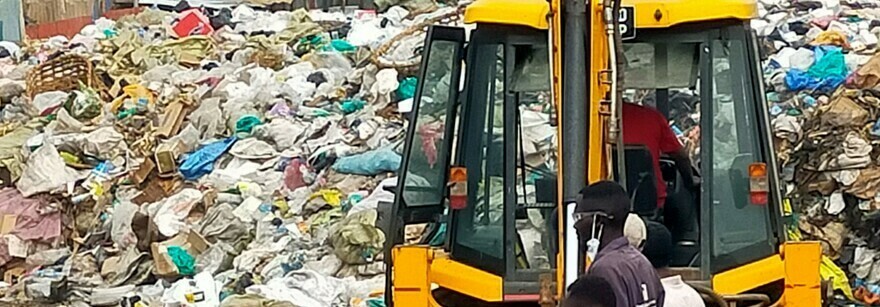
Juba’s sanitation crisis is not simply a problem of irresponsible citizens. It is also a reflection of weak urban planning, inadequate waste management infrastructure, and poor implementation of municipal regulations. Arresting 17 people will mean little if rubbish continues to accumulate because collection services are unavailable or unreliable.
Municipal authorities must therefore move beyond police operations and establish a permanent sanitation system. This should include regular garbage collection, strategically located disposal facilities, proper drainage maintenance and routine inspections of markets, business premises and residential neighbourhoods.
Enforcement must also be fair. Business owners, market traders, landlords, public institutions and ordinary residents should face the same standards. Sanitation regulations must not become instruments for targeting vulnerable residents while influential individuals and businesses escape accountability.
Authorities should also explain how sanitation fees and municipal revenues are being used. Residents and businesses that pay taxes deserve visible improvements in waste collection and public services. Collecting money without delivering results only weakens public confidence.
Public education must complement enforcement. Schools, churches, youth groups, community leaders and civil society organisations should be involved in promoting responsible waste disposal. Monthly community cleaning exercises and neighbourhood monitoring could help make sanitation a shared civic responsibility.
More importantly, municipal leaders must lead by example. Government offices, public markets and other public facilities should demonstrate the standards they expect from residents. It is contradictory to demand discipline from citizens while public institutions neglect their own surroundings.
The authorities should also publish a clear and realistic sanitation plan, with specific targets, timelines, and responsible departments. Residents need to know how waste will be collected, where it should be disposed of, and how complaints about poor municipal services will be addressed.
Juba cannot afford to continue treating sanitation as an occasional political campaign. A clean environment is essential for public health, economic activity, tourism and the dignity of the country’s capital.
The arrest of 17 alleged offenders should be a starting point for broader municipal reforms, not the final achievement of another campaign. If authorities fail to sustain enforcement and improve waste management, the same sanitation problems will return regardless of how many people are arrested.
Juba does not need more arrests without action. It needs responsible citizens, accountable municipal leadership, and a functioning waste management system.
The message to residents is clear: stop turning the city into a dumping ground. The message to authorities is equally clear: stop making promises and start delivering.
Keeping Juba clean is a shared responsibility, but the government must provide the leadership and infrastructure to make it possible.

 and then