



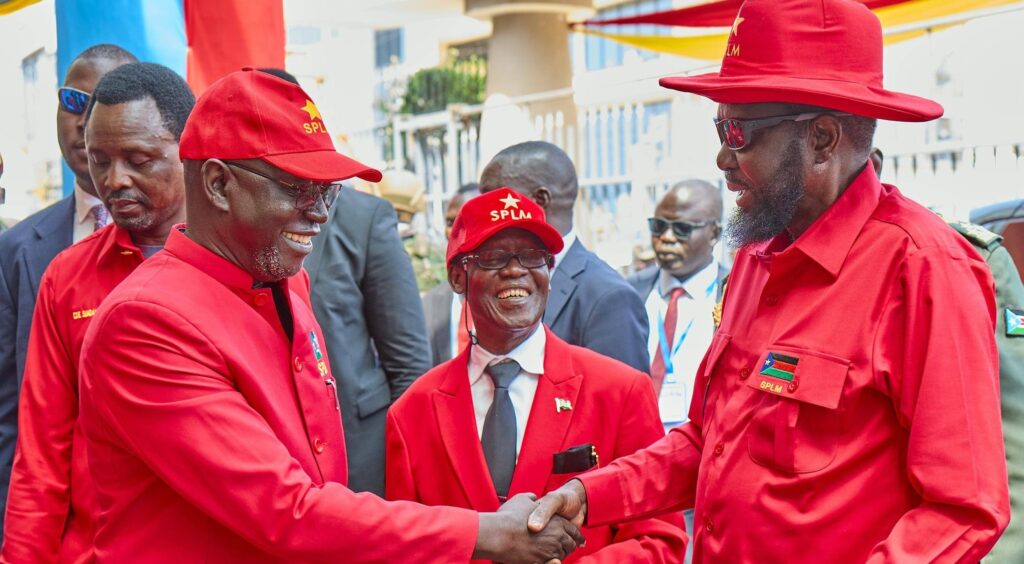
Every year on May 16, South Sudan commemorates the beginning of the SPLM/A liberation struggle, a historic movement that eventually led to the independence of the world’s youngest nation. The day is marked by military parades, official speeches, patriotic songs and public celebrations honoring those who sacrificed their lives during decades of armed struggle. For many citizens, the occasion symbolizes courage, resilience and the determination of South Sudanese to achieve freedom and self-rule. However, as the country marks another Liberation Day, a painful contradiction continues to emerge between the ideals of the liberation struggle and the harsh realities experienced by ordinary citizens today.
The liberation movement was founded on promises of justice, equality, dignity and better living conditions for all South Sudanese. Millions of people supported the struggle believing that independence would create opportunities for peace, development and national unity. Families lost loved ones, communities were destroyed and countless citizens endured years of suffering in the hope that future generations would live in a stable and prosperous country. Sadly, many of those dreams remain unfulfilled more than a decade after independence. Instead of witnessing national transformation, citizens continue to face economic hardship, insecurity, corruption and political instability.
One of the greatest challenges facing the country today is the worsening economic crisis. Prices of basic commodities continue to rise beyond the reach of ordinary citizens, while salaries remain unpaid for months in many public institutions. Families struggle daily to afford food, healthcare, transportation and school fees. The national currency has weakened significantly, leaving many households trapped in poverty and uncertainty. Despite the country’s vast natural resources, particularly oil revenues, the benefits of independence have not been felt equally across society. Many citizens continue to question how a resource rich country can remain among the poorest nations in the region.
At the same time, corruption and embezzlement of public resources have severely weakened public trust in leadership. Funds intended for public services and development frequently disappear while hospitals lack medicines, schools operate without learning materials and roads remain underdeveloped. Instead of investing in the welfare of citizens, many leaders are accused of prioritizing personal enrichment and political survival. This growing culture of impunity has widened the gap between the ruling class and ordinary people, creating frustration and disappointment among citizens who once strongly believed in the vision of liberation.
The continued cycle of armed conflict and communal violence has further undermined the hopes of the population. Although the liberation struggle aimed to unite South Sudanese against oppression, political rivalries and ethnic divisions have increasingly fragmented the nation. Intercommunal violence, revenge attacks and armed confrontations continue to displace innocent civilians and destroy livelihoods across different parts of the country. Tribal politics has become one of the most dangerous obstacles to national cohesion, as leaders often manipulate ethnic identities to consolidate power and influence. Consequently, mistrust among communities continues to deepen, making reconciliation and peaceful coexistence more difficult to achieve.
The youth, who constitute the majority of the population, are among the most affected by the country’s current condition. Many young people remain unemployed despite completing their education, while others lack access to quality learning opportunities altogether. Frustration among the youth continues to grow as they witness limited economic opportunities, political exclusion and widespread inequality. Some are forced into criminal activities or armed groups because of hopelessness and desperation, while others attempt dangerous migration journeys in search of better lives abroad. The younger generation increasingly questions whether the sacrifices made during the liberation struggle have truly translated into meaningful progress for the nation.
Women and children also continue to bear the heaviest burden of instability and poverty. Across many communities, women struggle to provide food and shelter for their families amid economic hardship and insecurity. Children continue to suffer from malnutrition, poor healthcare and interrupted education due to conflict and displacement. In many rural areas, access to clean water, medical care and social services remains extremely limited. These humanitarian challenges reveal a painful reality: political independence alone has not automatically guaranteed social and economic liberation for ordinary citizens.
Under such circumstances, the annual celebration of Liberation Day raises important national questions. Can a country genuinely celebrate liberation while millions of its citizens continue to suffer from poverty, insecurity and hopelessness? What meaning does independence hold when many people still lack access to basic human needs and opportunities? These questions are not meant to undermine the sacrifices of liberation heroes, but rather to challenge leaders and citizens to reflect honestly on the direction of the country.
Commemorating May 16 should therefore go beyond symbolic celebrations and political speeches. It should become a moment of national reflection, accountability and renewed commitment to the values that inspired the liberation struggle. True liberation must include economic empowerment, justice, peace, unity and responsible governance. Citizens need leaders who prioritize national interests above personal gain and who are committed to rebuilding trust among communities. The future of South Sudan depends on strengthening institutions, fighting corruption, promoting reconciliation and creating opportunities for all citizens regardless of tribe or political affiliation.
Despite the many challenges facing the country, hope for a better future still exists. South Sudan possesses fertile land, natural resources, cultural diversity and a youthful population capable of transforming the nation if given proper leadership and opportunities. Achieving lasting peace and development will require collective responsibility from political leaders, civil society, religious institutions, youth groups and ordinary citizens alike. National unity can only be achieved when justice, fairness and inclusivity become the foundation of governance.
As South Sudan marks another SPLA Day, the memories of those who sacrificed during the liberation struggle should inspire a renewed national vision rather than empty celebration. Liberation was never meant to enrich a few individuals while the majority remain in misery. It was intended to create a peaceful and dignified society where every citizen could live with hope and opportunity. Until the promises of liberation are translated into tangible improvements in the lives of ordinary people, many South Sudanese will continue to view Liberation Day not only as a celebration of freedom, but also as a reminder of the unfinished struggle for justice, peace and prosperity.
The writer, Mogga Loyo, is a researcher and writer specializing in humanitarian and development issues in South Sudan. He holds a degree in Sociology and Political Science from the Catholic University of Eastern Africa and a master’s degree in Peace and Development Studies from the University of Juba.
The views expressed in ‘opinion’ articles published by Radio Tamazuj are solely those of the writer. The veracity of any claims made is the responsibility of the author, not Radio Tamazuj.

 and then