



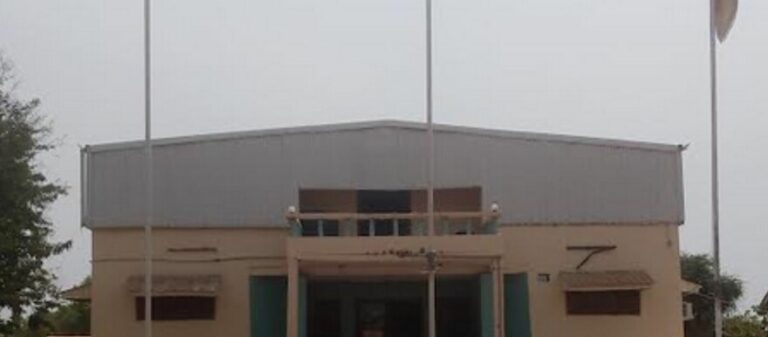
Lawmakers in Eastern Equatoria state say the state parliament has remained closed for the past six months because of severe financial constraints, raising concerns over governance and oversight in the state.
Charles Longolia Mutte, chairperson of the Information, Culture, Youth and Sport Committee at the Eastern Equatoria State Transitional Legislative Assembly, told Radio Tamazuj on Friday that the assembly has been in recess since early November last year after authorities failed to provide funds for its reopening.
“We were supposed to reopen on Feb. 15 this year, but unfortunately that did not happen because of financial problems,” Longolia said.
He said lawmakers and other civil servants in the state had not received salaries since mid-2025, worsening economic hardship across the state.
“It is indeed a financial constraint that has kept us closed for this long,” he said.
Longolia said the prolonged closure had disrupted communication between lawmakers and constituents at a time when citizens expected updates on government programmes and preparations for elections scheduled for December 2026.
“We need to have programmes and engage with our constituents. Right now, people are cut off from any news or ideas from the government,” he said.
He added that the economic crisis had also affected local markets, with civil servants unable to spend money and traders struggling to sell goods.
“People are suffering; many cannot even send their children to school,” he said.
Another lawmaker, Emmanuel Justine, who represents Torit South West constituency, said the wider economic crisis facing South Sudan had disrupted parliamentary work and limited lawmakers’ ability to consult communities.
“Lawmakers would have represented their constituents on the ground and brought their challenges to the government,” he said. “Funding is very important because time is running.”
He urged citizens to remain hopeful despite the delays and encouraged communities to engage in farming to cope with the worsening economic situation.
Angelo James Ayonyang, a lawmaker representing Imehejek Administrative Area, said some members who travelled to their constituencies during the recess had been unable to return because they lacked transport money following months of unpaid salaries.
“We are not happy because parliament is not reopening,” Ayonyang said. “The assembly discusses issues affecting the state, but some members are stuck in their villages because they do not have money.”
Civil society groups also voiced concern over the prolonged closure of the state assembly.
Lokang Augustine Koito, a representative of the Civil Society Network for Eastern Equatoria, said the inactivity of parliament had weakened oversight and accountability within the state government.
“The legislative arm is crucial for oversight and ensuring accountability within the government,” he said. “When parliament is inactive, it affects the functioning of the executive and judiciary as well.”
Koito said the closure had also prevented communities across Eastern Equatoria’s eight counties from raising concerns related to land, security and local grievances through their elected representatives.
He called on parliamentary leadership, particularly the speaker, to prioritise reopening the assembly “for the sake of transparency, representation and stability within our communities.”

 and then