



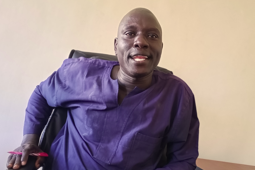
The deputy chairperson of the Eastern Equatoria State Election High Committee, Oryema Emmanuel, has said they are significantly ramping up civic and voter education initiatives in preparation for the upcoming elections scheduled for December.
He stated that, recognizing that a majority of voters reside in rural areas, his office is shifting focus from town-centered training sessions to reach citizens in more remote locations.
“Educating voters about their rights is crucial. It is essential for them to not only understand their civil rights but also grasp fundamental concepts like peacebuilding within their communities. Furthermore, acknowledging the importance of democracy is critical, so our training manual encompasses these vital aspects of civic and voter education,” he said. “While our primary emphasis is on the electoral process, we aim to equip citizens with a comprehensive understanding to facilitate meaningful participation in the elections. We began planning these training sessions a full six months ahead of the elections.”
“The chairman of the National Election Commission will announce the official election calendar, and given this timeline, we are implementing extensive training programs,” Oryema added.
He said that a recent survey indicated a significant lack of visibility regarding the activities of commission members in various states, and that this feedback has guided decision-making processes.
However, he also highlighted logistical and funding challenges that are hindering their initiatives.
“One of our foremost hurdles is financial resources. We are currently limited in our ability to fund various activities adequately. Logistically, we face significant constraints; we possess only a single vehicle. Previously, we received one bus, which is insufficient for reaching rural areas. It is in poor condition, with dilapidated tires. We need more reliable transportation, like Land Cruisers, which can navigate challenging road conditions,” he said. “We also need a spacious venue for conducting training sessions, especially within the state headquarters, and require a secure warehouse facility for electoral materials.”
Conversely, Juma Tikol, the Secretary-General of the Eastern Equatoria Civil Society Network, conveyed concerns regarding the electoral process.
“The issue of elections has proven to be challenging. As civil society, we have been actively engaging with the government to ensure readiness for the elections, with a focus on transparency and inclusiveness,” he said. “The foremost concern is that, according to the established agreement, elections must occur two months before the conclusion of the transitional period.”
As the preparations continue and challenges persist, both officials emphasize the pivotal role of civic and voter education in fostering an informed electorate, essential for the upcoming elections to be conducted successfully and democratically.

 and then