



The Republic of South Sudan is neither an Islamic, Christian, nor Jewish state. It is a nation founded on the principle of freedom of religion, as enshrined in the Constitution, including its 2020 amendments. The Constitution guarantees every citizen the right to worship according to their beliefs, whether Muslim, Christian, adherents of Traditional African Religions, or followers of any other faith. Religious freedom in South Sudan is a constitutional right and should not be attributed to any individual political leader.
Likewise, the Muslim community in South Sudan should not be treated as an extension of any political party or mobilised as a bloc to support any political organisation in the proposed December 2026 elections. Islam, like other faiths, is a religion that emphasises peace and justice. Any attempt to use religion as a tool for political mobilisation risks undermining these values. While I am not a Muslim and do not share its theological beliefs, I recognise and respect Islam’s teachings on peace and justice.
Recent calls by Vice President Hussein Ayii Akol urging Muslims in Northern Bahr el Ghazal State to support a particular political agenda raise concerns about the appropriate boundary between religion and politics. South Sudanese Muslims, like all citizens, have the right to make independent political choices based on their convictions and interests, rather than religious identity.
Judaism, Islam, and Christianity are Abrahamic religions, though they differ in doctrine and practice. Judaism is founded on the Torah, Talmud, and Tanakh. Islam is based on the Quran and Hadith. Christianity is grounded in the Bible and the teachings of Jesus Christ. Followers of Traditional African Religions maintain distinct spiritual beliefs and practices rooted in ancestral traditions.
Members of the Muslim community should not be encouraged to support any political leader solely on the basis that such a leader claims to have protected religious freedom. Like all citizens, Muslims hold diverse political views and affiliations and are fully capable of making independent political decisions regarding leadership and elections. I encourage Muslim brothers and sisters to continue upholding the values of peace and justice and to resist political manipulation conducted in the name of religion.
South Sudan has experienced the consequences of political Islam in the past, particularly during the era of Dr. Hassan al-Turabi and the National Islamic Front (NIF) in Sudan, when religion became deeply intertwined with political and military conflict. This history illustrates the risks of using faith as a political instrument.
As the country prepares for future elections, voters should assess candidates based on their manifestos, policies, and programmes, rather than religious affiliation. Political leaders should be judged by their ability to serve the people of South Sudan and address national challenges. Religion and politics should remain distinct in the Republic of South Sudan, allowing citizens to freely practice their faith while exercising their political rights independently and responsibly.
I conclude with a verse from the Quran, Surah Ad-Duha (93), which offers comfort and reminds believers of Allah’s mercy and blessings.
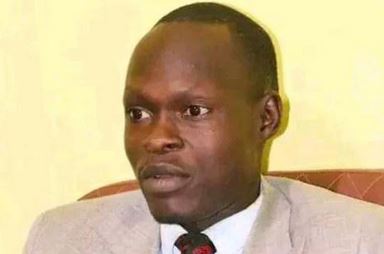
The writer, Dut Majokdit, is a member of the SPLM IO Political Bureau and former chairperson of the Relief and Rehabilitation Commission in Northern Bahr el Ghazal State, Aweil. He can be reached at: Majokdit2024@gmail.com
The views expressed in ‘opinion’ articles published by Radio Tamazuj are solely those of the writer. The veracity of any claims made is the responsibility of the author, not Radio Tamazuj.

 and then