



South Sudan stands at a critical crossroads in its young history. After years of struggle, sacrifice, and resilience, the promise of independence was meant to usher in an era of dignity, peace, and prosperity for all citizens. Yet, more than a decade later, many South Sudanese continue to face hardship, insecurity, and limited access to basic services. At the heart of these challenges lies a fundamental question: where does our loyalty truly lie? Is it with the nation and its people, or with individuals, political factions, and narrow personal interests?
Some people are genuinely loyal to South Sudan—those who believe in a shared future, who advocate for justice, equality, and unity. At the same time, there are those whose loyalty is tied to individuals, ethnic affiliations, or political circles. This divide has shaped the country’s political landscape and continues to hinder progress. If South Sudan is to move forward, we must shift our focus and place the interests of our people above all else.
One of the greatest challenges facing South Sudan today is the tendency of political leaders to prioritize the interests of their inner circles rather than the needs of the broader population. Decisions are often influenced by personal alliances, patronage networks, and short-term gains, rather than long-term national development. As a result, resources that should be used to improve healthcare, education, infrastructure, and economic opportunities are frequently misallocated or concentrated in the hands of a few.
This pattern of governance creates a cycle of inequality and frustration. Ordinary citizens, especially those in rural and marginalized communities, feel neglected and disconnected from the state. Young people, who make up the majority of the population, struggle with unemployment and lack of opportunities, leading to disillusionment and, in some cases, vulnerability to manipulation by political actors. Women, who play a crucial role in sustaining families and communities, continue to face barriers to participation in decision-making processes.
Putting the interests of our people first requires a fundamental shift in leadership mindset. Leadership should not be seen as a privilege or a means to accumulate wealth and power, but as a responsibility to serve. True leadership is measured by the ability to uplift others, to listen to the concerns of citizens, and to make decisions that benefit the majority, not just a select few. It demands accountability, transparency, and a commitment to the rule of law.
Equally important is the role of citizens in shaping the direction of the country. Nation-building is not the responsibility of leaders alone; it requires active participation from all South Sudanese. Citizens must hold leaders accountable, demand better governance, and reject divisive narratives that prioritize tribe, region, or political affiliation over national unity. Civil society organizations, youth groups, and community leaders have a vital role to play in promoting dialogue, fostering reconciliation, and advocating for policies that reflect the needs of the people.
Peace and stability are also essential for prioritizing the interests of the population. Without peace, development cannot take root. Conflict diverts resources away from essential services and creates an environment of fear and uncertainty. Therefore, all stakeholders must commit to sustaining peace agreements, resolving disputes through dialogue, and building trust among communities. Reconciliation efforts should go beyond political settlements and address the underlying grievances that fuel division.
Another critical aspect of putting people first is investing in human capital. Education and healthcare are the foundations of any thriving society. When children have access to quality education, they are empowered to contribute meaningfully to their communities and the nation. When citizens have access to healthcare, they are better able to lead productive lives. These are not luxuries; they are basic rights that must be prioritized in national planning and budgeting.
Economic empowerment is equally important. South Sudan is rich in natural resources, yet many of its citizens live in poverty. This paradox highlights the need for better management of resources and the creation of inclusive economic opportunities. Supporting agriculture, small businesses, and entrepreneurship can help reduce dependency on oil and create jobs for the growing population. When people are economically empowered, they are more likely to invest in their communities and support national stability.
Corruption remains a major obstacle to progress. It erodes public trust, undermines institutions, and diverts resources away from critical development needs. Tackling corruption requires strong political will, effective institutions, and a culture of integrity. Leaders must lead by example, and systems must be put in place to ensure accountability at all levels of government. Transparency in public finance, procurement, and service delivery is essential to ensure that resources are used for the benefit of all citizens.
National unity is another cornerstone of a people-centered approach. South Sudan is a diverse country, with many ethnic groups, languages, and cultures. This diversity should be seen as a strength, not a source of division. Building a sense of shared identity and purpose is crucial for long-term stability. Leaders and citizens alike must reject hate speech, promote inclusivity, and work towards a vision of a united South Sudan where everyone feels valued and represented.
The media also has a significant role to play in shaping public discourse. Responsible journalism can help inform citizens, expose wrongdoing, and promote accountability. At the same time, it can serve as a platform for constructive dialogue and the exchange of ideas. Media outlets must strive to report accurately and fairly, avoiding sensationalism and division.
As we reflect on the future of South Sudan, we must ask ourselves what kind of country we want to build. Do we want a nation where power is concentrated in the hands of a few, or one where every citizen has a voice and an opportunity to thrive? Do we want to continue down a path of division and self-interest, or do we choose unity and collective progress?
The answer lies in our ability to prioritize the common good over individual gain. It requires courage to challenge the status quo, to speak out against injustice, and to advocate for change. It also requires humility to recognize that no single group or individual has all the answers. Collaboration, dialogue, and mutual respect are essential for finding solutions to the complex challenges facing the country.
In conclusion, putting the interests of our people first is not just a slogan; it is a necessity for the survival and prosperity of South Sudan. It calls for a renewed commitment from leaders, citizens, and all stakeholders to work together towards a shared vision of peace, development, and justice. The future of the nation depends on the choices we make today. Let us choose to stand for the people, to serve with integrity, and to build a South Sudan that truly reflects the hopes and aspirations of its citizens.
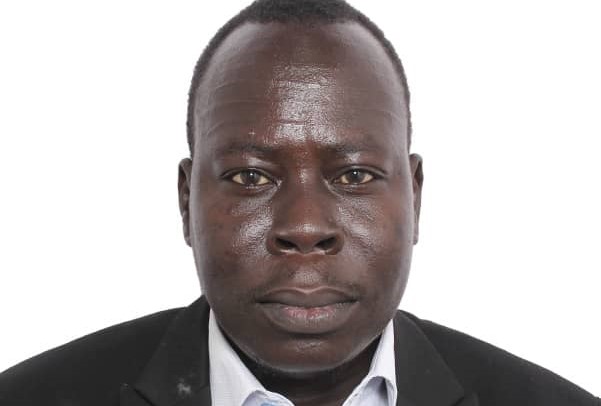
The writer is a South Sudanese writer, human rights defender, and gender expert with a strong focus on governance and social justice issues in the country. He is widely recognized for his advocacy work and thought leadership in promoting accountability, equality, and peace. He can be contacted via termanyang24@protonmail.com.
The views expressed in ‘opinion’ articles published by Radio Tamazuj are solely those of the writer. The veracity of any claims made is the responsibility of the author, not Radio Tamazuj.

 and then