



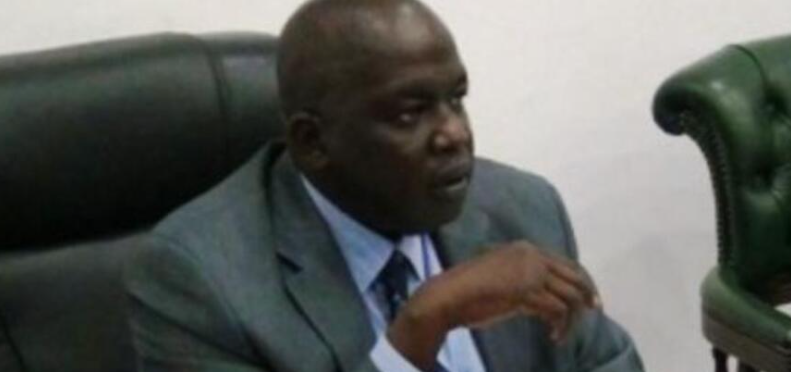
South Sudan’s National Security Service (NSS) arrested a member of parliament in Juba on Monday under unclear circumstances, his family said, in a move that has raised questions over parliamentary immunity protections under the constitution.
Kom Kom Geng, chairperson of the parliamentary committee on security and public order in the Transitional National Legislative Assembly and representative for Abiem East constituency in Aweil East County, Northern Bahr el Ghazal State, was detained during an early morning operation at his residence, according to relatives.
Geng Kom Geng, the lawmaker’s younger brother, told Radio Tamazuj that security personnel took the MP to an unknown location at around 5 a.m.
“When I arrived around 6:00 a.m. to verify the information, I discovered that he had already been taken away. As a family, we are calling for the immediate release of our brother,” he said.
He said the family remained hopeful for the legislator’s release.
“We remain hopeful that the same hand President Salva Kiir Mayardit used to sign the release of Dr. Bak Chol [former finance minister] can also grant freedom to others,” he added.
The family appealed to the authorities to release the MP, saying he should be allowed to continue contributing to peace and national development.
Benjamin Oliver Modi, spokesperson of the Transitional National Legislative Assembly, said he was not aware whether the lawmaker had been arrested by security forces.
Separate sources also confirmed the arrest of MP Ayii Ayii Akol, brother of Vice President Hussein Abdelbagi Akol. He also comes from Aweil East County.
Under Article 67 of the Transitional Constitution of South Sudan, members of parliament are immune from arrest and prosecution unless their immunity is lifted by the relevant legislative chamber.
The constitution states that criminal proceedings cannot be initiated against a member of the National Legislative Assembly or the Council of States, nor may action be taken against their person or property, without permission from the speaker of the respective house, except where the lawmaker is caught committing an offence for which police may arrest without a warrant.
It further provides that parliament may waive a member’s immunity if the legislator is charged with a serious crime.

 and then