



As we celebrate the 15th anniversary of our independence, every South Sudanese should ask one simple but profound question: Where are we as a nation, and where do we want to go from here? Independence allowed us to shape our own destiny. Still, fifteen years later, our greatest challenge is no longer winning freedom; it is preserving peace, strengthening unity, and building a country that serves all its citizens.
On 9 July 2011, millions of South Sudanese celebrated the birth of the world’s youngest nation with joy, pride, and great hope. After decades of struggle, sacrifice, and loss, independence represented the realization of a dream for generations who had endured war in pursuit of freedom and self-determination. People believed that peace, development, justice, and prosperity would finally become the foundation of our new nation.
Unfortunately, those hopes were shaken when conflict erupted in December 2013. What followed were years of violence, displacement, economic hardship, and political instability that continue to affect the lives of ordinary South Sudanese.
Today, as we commemorate fifteen years of independence, we cannot avoid asking another difficult question: Who is responsible for the situation our country finds itself in today?
This is not a question that can be answered by pointing at one individual, one political party, or one community. The reality is more complex. While political leaders bear the greatest responsibility for not resolving disputes peacefully and governing in the national interest, armed groups that chose violence, elites who prioritized personal ambition over national unity, and citizens who allowed tribal divisions and political manipulation to deepen mistrust have all played a part in prolonging our suffering.
The price every family paid
Before we assign blame, however, we must remember one important truth: South Sudan was not won by a single person or a single community. Every family contributed to the liberation struggle in one way or another. Some sacrificed sons and daughters on the battlefield. Others endured displacement, hunger, and years in refugee camps. Many mothers raised children under the constant threat of war, while countless civilians supported the liberation movement with what little they had. The independence we celebrate today was achieved through the collective sacrifices of ordinary South Sudanese.
For that reason, South Sudan belongs equally to all its citizens regardless of ethnicity, political affiliation, religion, region, or social status. No one owns this country more than another. We are all equal stakeholders in its success or failure.
What have we gained from fighting?
After more than a decade of conflict among ourselves, we must honestly ask whether violence has achieved what dialogue could not. Have the lives of ordinary citizens improved? Are our communities safer? Have our children received a better education? Are our hospitals providing quality healthcare? Have young people found meaningful employment? Have our farmers, traders, and entrepreneurs been allowed to thrive? Most importantly, are we more united today than we were fifteen years ago?
For many South Sudanese, the answers are painfully clear.
Too many families continue to mourn loved ones lost to violence. Millions have been displaced from their homes. Our economy continues to struggle, making life increasingly difficult for ordinary citizens. Young people, the future of our nation, face unemployment, frustration, and uncertainty. Public services remain inadequate in many parts of the country, while insecurity continues to disrupt livelihoods and development.
The cost of conflict has been measured not only in lives lost but also in opportunities missed. Every year spent fighting one another has been a year not invested in schools, hospitals, roads, agriculture, job creation, and nation-building. Every disagreement resolved through violence instead of dialogue has delayed the progress our people deserve.
Enough is enough
It is time for South Sudanese to say, with one united voice: Enough is enough.
Our political leaders must place the national interest above personal ambitions and resolve differences through dialogue rather than confrontation. Leadership should be measured not by the ability to win political battles but by the ability to unite a nation.
Our youth must reject violence and refuse to become instruments of political conflict. Instead, they should become champions of peace, innovation, education, and entrepreneurship. They have the energy and talent to transform South Sudan if given the opportunity.
Our religious leaders, traditional chiefs, women, and civil society organizations must continue to promote reconciliation, forgiveness, and peaceful coexistence. Healing the wounds of conflict requires more than political agreements; it requires rebuilding trust within our communities.
Finally, every South Sudanese has a role to play. We must reject tribalism, hate speech, and misinformation wherever they appear. We must recognize one another first as fellow citizens before identifying ourselves by tribe or political affiliation. National unity cannot be built by leaders alone; it begins with the attitudes and actions of ordinary people.
Despite all the challenges we have endured, there is still reason to believe in the future of South Sudan. Our country is blessed with resilient people, abundant natural resources, and immense potential. The sacrifices made during the liberation struggle should never be wasted on endless cycles of conflict.
As we celebrate our 15th Independence Anniversary, let this not be merely a commemoration of our past, but a commitment to our future. Let it be the moment when we choose dialogue over violence, unity over division, and national interest over personal ambition.
The freedom that our heroes fought for was never meant to end at the raising of our flag. It was meant to create a nation where every South Sudanese could live in peace, dignity, and hope.
If we truly wish to honor those who sacrificed for our independence, then let us build the peaceful, united, and prosperous South Sudan they envisioned. The future of our nation depends not on what happened yesterday, but on the choices we make today.
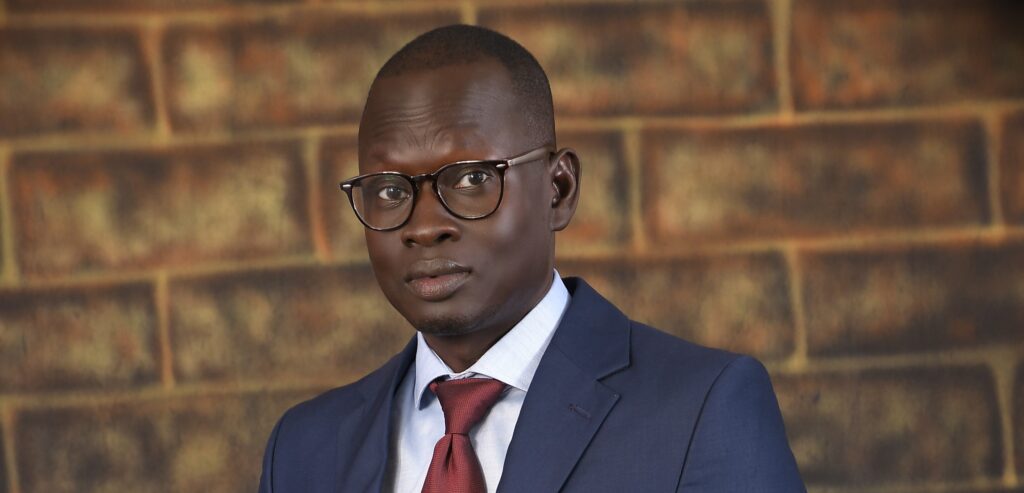
The writer is a media specialist and development practitioner. He can be reached via leek2daniel@gmail.com.
The views expressed in ‘opinion’ articles published by Radio Tamazuj are solely those of the writer. The veracity of any claims made is the responsibility of the author, not Radio Tamazuj.

 and then