



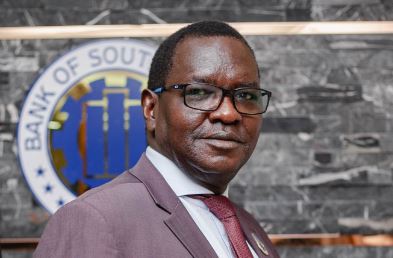
Staff at the Bank of South Sudan have called off their strike over two years of unpaid arrears following a successful intervention by the workers’ trade union, which resulted in a 10-day ultimatum for management to resolve the grievances.
On Tuesday, employees at the Bank of South Sudan launched a major sit-in protest, bringing routine operations to a halt as they demand the payment of long-overdue benefits and the reinstatement of staff medical insurance.
An employee who spoke to this publication on condition of anonymity said the decision to pause the industrial action came after the union’s leadership held discussions with Central Bank Governor Johnny Ohisa, his two deputies, and top management. Following the meeting, an agreement was reached for staff to suspend the strike for 10 working days, starting next Monday, to allow management time to address the outstanding concerns.
“Following the breakthrough, the workers’ union issued an email to all bank staff, advising them to return to their normal duties while the agreed-upon timeline runs its course. Staff have since resumed work. We have made it clear that the suspension is temporary,” he said. “While the union facilitated the truce, staff members emphasized that if management fails to materialize its promises within the 10-day window, they will immediately resume the strike until all their demands are met.”
He added that all bank employees confirmed they returned to their stations today, Wednesday, but reiterated that their patience has a strict deadline.
“It is true we resumed our duty today,” one staff member said. “We are just waiting out the ten days that were given to resolve the issue. If our demands are not met, we will absolutely go back on strike.”
On Tuesday, Governor Ohisa reaffirmed his leadership’s commitment to staff welfare but expressed surprise at the sudden industrial action.
“The country’s shortage of foreign currency has affected the settlement of the remaining incentives. Despite these challenges, the bank managed to secure the resources that covered the outstanding arrears on credit,” he said. “It is disappointing that this action comes shortly after significant efforts were made under challenging economic circumstances.”
Ohisa further alleged that the disruption was being driven by external forces.
“This strike was meant to destroy the institution and the country because it has been politically influenced to undermine the institution,” he stated, noting the sensitive timing of the protest ahead of the nation’s Independence Day celebrations.
Ohisa concluded by underscoring that the central bank is currently drafting internal measures to avert similar workplace shutdowns in the future.

 and then