



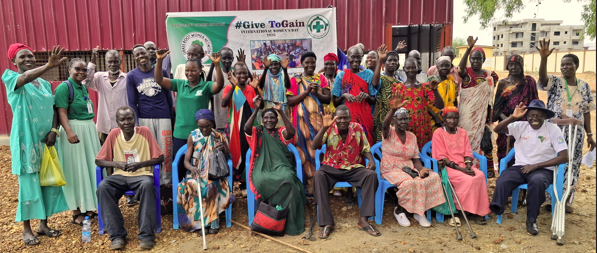
As commemorations of International Women’s Day continue, the Grassroots Women Network (GWN) extended the celebration to people affected by Leprosy in Luri Rokwe, in Juba County’s Northern Bari Payam, in a show of solidarity and inclusion.
The initiative aimed to recognize and highlight the importance of women in South Sudanese society, particularly among vulnerable communities that are often overlooked.
The 2026 International Women’s Day theme, “Give to Gain,” emphasizes the value of generosity, collaboration, and meaningful investment in women and girls as a pathway to building a more inclusive and equitable society. In addition, the United Nations promotes a parallel theme, “Rights. Justice. Action. For All Women and Girls,” calling for collective efforts to dismantle barriers to equality and ensure that women and girls everywhere can fully enjoy their rights and opportunities.
Organized by GWN with support from Norwegian People’s Aid, Wednesday’s celebration formed part of the broader International Women’s Day activities marked on March 8. The event brought together people affected by leprosy, the area chief, and members of the Association of People Affected by Leprosy, fostering a spirit of unity and shared responsibility.
Speaking on Wednesday during the event, Sunday Mogga, executive director of the organization, encouraged the women to keep pushing for their rights, especially in leadership positions and for other privileges.
According to Mogga, for so long, women have been deprived of their rights in society and the country at large. She further encouraged women to rise for their rights.
“Let women know their rights. Women should know that they are equal to men. In the past, it was not easy for women to stand in front of people because they were not allowed to,” she said. “However, with a lot of advocacy for women’s rights, some have started pushing for their rights.”
The celebration, which was characterized by vibrant entertainment, including dancing, singing, and jubilant performances led by women, created an atmosphere of joy, dignity, and collective purpose among participants.
Gladys Araba Lukudu, a representative of the Women affected by Leprosy, said International Women’s Day is respected because it honors women’s efforts in South Sudan. Speaking in her own Bari native language, she said that during this month, men who know the importance of women are supposed to render respect and take over the role of cooking.
“On this day, you see the man going to the kitchen, and the wife is seated. The husband makes sure he gives the woman bathing water, and after cooking, the man and his family go for an outing,” she said. “This is the beauty of this day. Few men still respect International Women’s Day. We are now in a changing society, and women know a lot, and some women are handling responsibilities in offices.”
Araba urged women to keep advocating for their rights.

 and then