



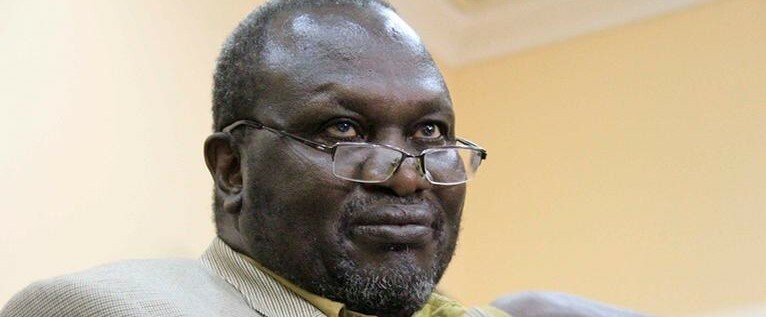
The African Union’s Peace and Security Council (PSC) expressed concern over the continued house arrest of South Sudan’s suspended First Vice President Riek Machar, urging coordinated international efforts to sustain the country’s fragile peace process.
In a communiqué issued after its 1343rd meeting on April 30, the PSC called on the Intergovernmental Authority on Development (IGAD), the African Union (AU) and the United Nations to intensify “sustained and harmonised” engagement with the Revitalised Transitional Government of National Unity (RTGoN).
It urged an amicable resolution of the political and security impasse, including the release of Machar and other political detainees, to allow dialogue and a return to full implementation of the 2018 peace deal, the Revitalised Agreement on the Resolution of the Conflict in South Sudan (R-ARCSS).
The statement comes as the transitional government moves to push ahead with amendments to the peace agreement aimed at paving the way for elections scheduled for December this year.
The proposed changes have been opposed by the Reconstituted Joint Monitoring and Evaluation Commission (RJMEC), the peace monitoring body, and the SPLM-IO, the main opposition faction led by Machar.
Machar, a key signatory to the 2018 deal, was detained in March 2025, later suspended as First Vice President and is currently facing treason charges before a special court in Juba.
Several regional and international bodies have repeatedly called on President Salva Kiir to release him and initiate inclusive dialogue ahead of the elections.
Reacting to the communiqué, civil society activist Edmund Yakani said it was “remarkable and straightforward” if the unity government implements its recommendations.
“It is very important that the government demonstrates a clear commitment to respecting the calls and decisions made by the AUPSC on securing a genuine political transition in South Sudan,” he said.
The PSC warned that rising tensions and a deteriorating security situation were eroding trust among South Sudan’s leaders and stalling progress on the agreement.
It said only inclusive dialogue could resolve differences, stressing there was no viable military solution to the crisis.
The council also called for closer coordination among regional and international partners to help prevent further setbacks, facilitate reconciliation and keep the transition on track ahead of the planned elections.

 and then