



A South Sudanese political analyst warned on Wednesday that attempts to amend the 2018 revitalised peace agreement outside mechanisms provided for in the accord could undermine the legitimacy of the transitional government and risk renewed instability in the country.
The warning came after foreign diplomatic missions issued a joint statement cautioning against unilateral changes to the peace agreement, which ended South Sudan’s five-year civil war and established the current transitional government.
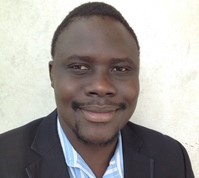
“The agreement remains the basis of legitimacy,” said James Boboya Edimond, a policy analyst and chief executive officer of the Institute of Social Policy and Research in South Sudan.
Boboya said the authority of the transitional government derived from compliance with the peace accord and warned that unilateral amendments could weaken both domestic and international confidence in the administration.
“The issue now is about the government legitimacy,” he said.
He said the diplomats’ statement reflected growing international concern that South Sudan was drifting away from the principles of power-sharing and consensus governance underpinning the 2018 agreement.
Boboya said political tensions between President Salva Kiir Mayardit and allies of First Vice President Riek Machar continued to fuel mistrust within the transitional arrangement.
“In fragile post-conflict arrangements, even procedural disagreements can quickly evolve into a broader political crisis,” he said, citing weak institutions and ethnic divisions as contributing factors.
He described the language used by Western governments as “carefully calibrated but politically significant”, warning that unilateral changes to the peace deal could trigger further instability or violent confrontation.
“The peace process has historically depended heavily on external guarantors, including IGAD, the African Union, the United Nations and Western donors,” he said.
According to Boboya, the coordinated response from international actors was intended to deter escalation and pressure South Sudan’s leaders to return to dialogue.
He said civil society groups and churches in South Sudan continued to advocate for inclusive dialogue involving all political stakeholders and called for the release of political detainees to create conditions for compromise.
“There’s need for inclusive dialogue,” he said.
Boboya also warned that South Sudan could face additional sanctions if the government ignored mounting international concerns over the peace agreement.
“These international bodies are actually coming together in consensus because they’ve seen that partnership for pressure is something that is required,” he said.
He added that there was a growing perception that proposed amendments to the agreement could be interpreted as an attempt by Kiir to consolidate power and delay elections.
“Ultimately, the debate is less about defending a document than defending the fragile political order that has prevented a return to full-scale war,” Boboya said.
He urged South Sudan’s leaders to heed international calls for dialogue and consensus, saying international partners had long supported the country’s peace and independence efforts.
“I would advise Salva Kiir to listen to these voices of the international community,” he said.

 and then