



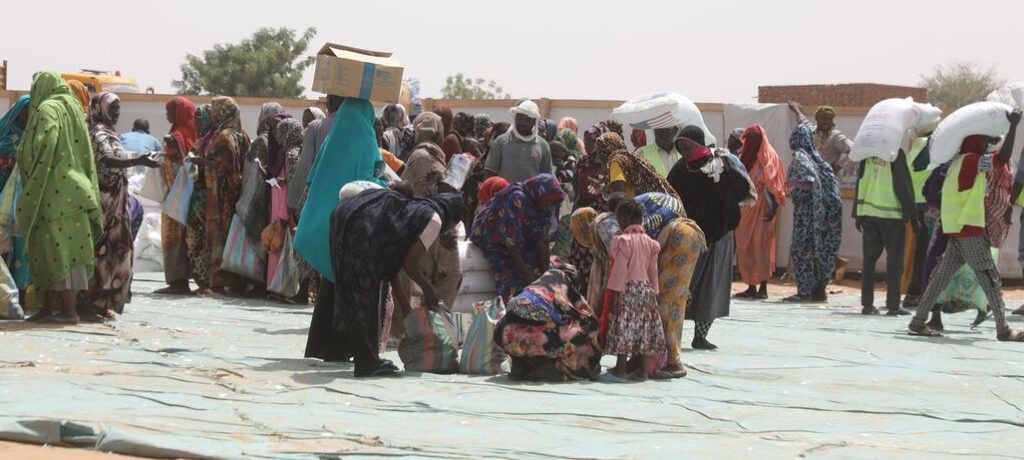
The United Nations on Monday welcomed Sudan’s decision to extend the opening of the Adre border crossing with neighbouring Chad until Sept. 30, saying the move would help sustain the delivery of humanitarian assistance despite escalating insecurity in parts of the country.
The Adre crossing is a key route for aid entering Sudan’s Darfur and Kordofan regions, where millions of people have been affected by conflict.
“This will continue to allow us to deliver humanitarian aid to those in need, despite the ongoing insecurity,” U.N. spokesperson Stéphane Dujarric told reporters in New York.
The announcement comes as fighting continues near the Chadian border, prompting some humanitarian organizations to suspend operations because of deteriorating security and communications disruptions.
Despite the challenges, aid agencies continue to deliver assistance across Darfur. Dujarric said humanitarian partners last week distributed cash assistance to 250 families in West Darfur and provided monthly food rations to more than 42,000 people.
The United Nations also expressed concern over a worsening cholera outbreak in West Kordofan, where humanitarian partners are expanding response efforts with support from the World Health Organization (WHO). Measures include operating cholera treatment centres, deploying rapid response teams, strengthening disease surveillance and water chlorination, and distributing medical supplies.
According to WHO’s Regional Director for the Eastern Mediterranean, as of June 20, West Kordofan had recorded 838 suspected cholera cases and seven confirmed cases, including 117 deaths.
“Although the number of new cases is beginning to decline, access to healthcare and humanitarian assistance remains severely constrained,” the WHO official wrote on X, adding that disrupted health services, unsafe water, poor sanitation, insecurity and population displacement were creating conditions for the disease to spread.
The United Nations also voiced concern over continued drone attacks in El Obeid, the capital of North Kordofan state, where strikes have persisted for a third consecutive week.
A drone strike on June 27 reportedly hit an area near a girls’ school, injuring at least eight students, according to local sources.
“We once again call on all parties to the conflict to ensure the protection of civilians and civilian infrastructure and allow unimpeded humanitarian access wherever it is needed,” Dujarric said.

 and then