



A South Sudan lawmaker has urged parliament to suspend a government directive requiring private companies and non-governmental organisations (NGOs) to begin remitting social insurance contributions, arguing that the country’s National Social Insurance Fund (NSIF) is not yet ready to operate.
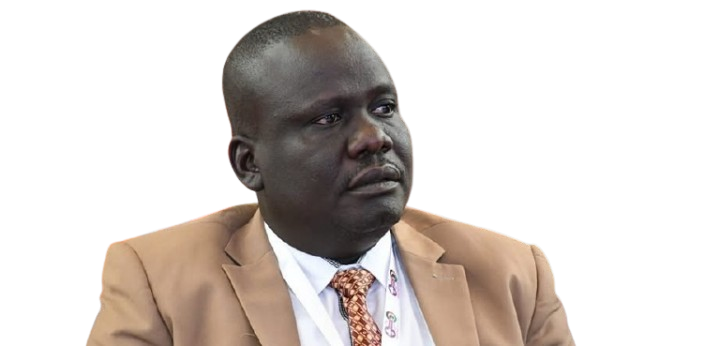
The issue was raised in parliament last Tuesday by Felix Edward Bali, an MP representing Mundri East County in Western Equatoria State for the governing SPLM party.
Bali said parliament had passed the National Social Insurance Fund Act last year, but the institutions needed to administer the scheme had yet to be established.
“On 20 June, the undersecretary for labour issued Circular No. 5 directing the private sector and NGOs to remit social insurance contributions to the fund,” he told lawmakers.
“We passed this law last year, but the insurance fund has not yet been fully established.”
According to Bali, the fund’s governing board remains incomplete because representatives of workers and employers have not been appointed. He also said the registration of employers and employees – a key requirement before contributions can be collected – has not been completed.
“The board is supposed to include representatives of beneficiaries and the employers’ union, but these positions have not yet been filled,” he said.
“The registration of employers and employees has also not been completed.”
He warned that enforcing contributions before the system is fully operational could leave workers, particularly those on short-term private-sector contracts, unable to access benefits in the future.
“If contributions are collected now, workers may later struggle to access their benefits because the necessary systems are not yet in place,” he said.
Bali said employers had also questioned whether the fund currently has the administrative capacity to manage contributions. He called for the directive to be suspended until the NSIF is fully operational and urged the labour minister to appear before parliament to explain the status of the scheme.
“This circular should be suspended,” he said. “The minister of labour should come before the House to explain the status of the insurance fund.”
Parliament Speaker Joseph Ngere Paciko agreed that the concerns should be examined and said the labour minister would be summoned to brief lawmakers.
“The concern is valid,” Paciko said.
“Since the board is not yet complete, we should not have a half-established institution issuing such directives. The minister will be invited to appear before the House through the appropriate procedures.”
The ruling means the labour minister is expected to explain the status of the National Social Insurance Fund and the implementation of the directive requiring private employers and NGOs to remit social insurance contributions.
South Sudan adopted the National Social Insurance Fund Act in 2023 as part of efforts to establish a national social security system covering both public and private sector workers.
The latest dispute follows a Ministry of Labour circular issued in April 2026 that revoked a 2010 directive allowing employers to retain and manage social insurance contributions.
Under the new directive, all employers – including private companies, NGOs, UN agencies and diplomatic missions – are required to deduct and remit both employer and employee contributions directly to the NSIF each month.
The ministry said the measure was intended to implement the social insurance law and strengthen workers’ social protection. It instructed employers to clear any outstanding contributions while awaiting further guidance on contribution rates, registration procedures and the designated accounts for payments.
However, legal experts and other stakeholders have questioned the rollout, arguing that key steps – including registering employers and employees, issuing social insurance numbers and putting the necessary regulations in place – should be completed before mandatory contributions begin.

 and then