



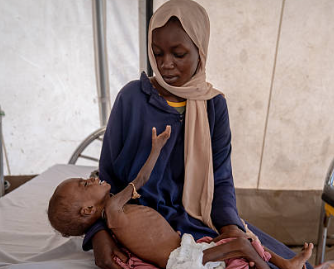
Humanitarian and living conditions have deteriorated sharply in the Al-Odaya locality of Sudan’s West Kordofan State, amid severe food shortages that have forced dozens of families to resort to eating umbaz—the residue left after pressing oilseeds that are normally used as animal feed.
The Dar Hamar Emergency Room said in a statement obtained by Radio Tamazuj that Donki Al-Har and neighbouring villages are experiencing acute shortages of food and other supplies. The group said the deteriorating situation had driven some families to consume animal-feed residue.
The statement described the situation as a heartbreaking humanitarian disaster, as residents’ ability to access food and other necessities continues to decline.
An official with the Dar Hamar Emergency Room, who requested anonymity for security reasons, said Al-Odaya is facing what he described as a full-blown food and health crisis, which he attributed to a blockade imposed on the area by the Rapid Support Forces (RSF).
He said children are now standing in long queues to receive meals made from umbaz, underscoring the severity of the food crisis facing residents.
He warned that hunger is coinciding with an outbreak of cholera, saying the combination of malnutrition and disease, coupled with restricted access, disrupted transport, and shortages of medicines, threatens to further deteriorate the humanitarian and health situation in the area.
Musa Abdalla, the owner of an oil press in the area, said dozens of children regularly come to the facility to collect umbaz residue to help stave off hunger.

 and then