



Letter one of seven letters to South Sudanese
Dear fellow South Sudanese,
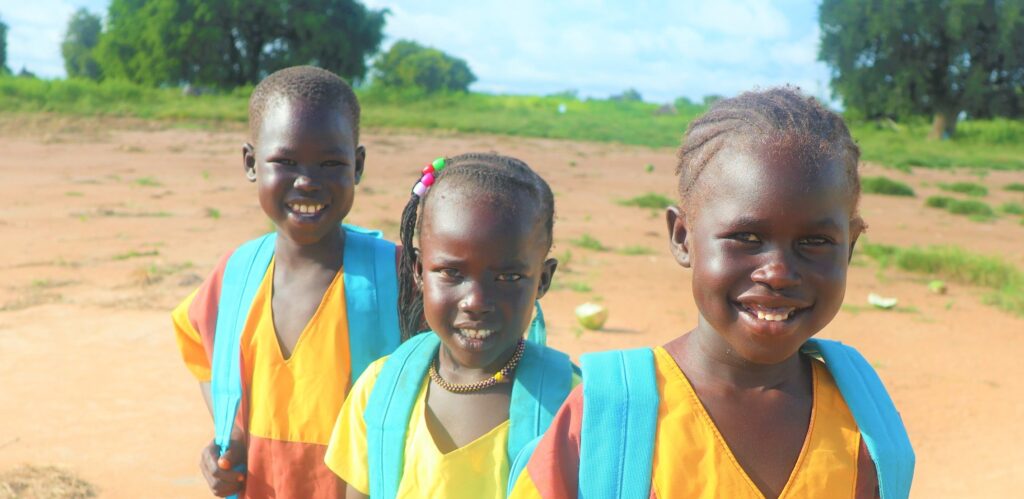
A child’s life must be worth more than anyone’s ambition to lead. In a later oral history of the 1999 Wunlit peace conference, Deborah Yier Jany, a Nuer woman living among Dinka in Yirol, recalled challenging the men to account for the children killed in the conflict. She rejected the loss of children’s lives to advance someone’s claim to leadership. Her words about the liberation movement were direct: “SPLA/M didn’t liberate this country to kill.” Her challenge belongs at the beginning of any conversation about our future.1
Why ask people to invest hope in a country that has failed to protect them? For those who have buried loved ones, fled their homes or struggled to feed their children, another appeal to national unity can sound like another demand for patience. That response deserves to be heard. We cannot ask people to believe in South Sudan while refusing to hear what living in it has cost them. I write to argue for a national dialogue in which those experiences can help shape how we are governed.
Yet the failure of those who govern us does not extinguish our claim to the country. South Sudan belongs to its people. No leader, liberation movement or community owns its future. Those who have lost pride in the country retain the same right to shape it as those who still do. Refugees and displaced people have not forfeited that right by seeking safety. Young people are entitled to question the political arrangements they inherit.
We can recognise those who contributed to liberation while judging how they exercise power today. Amílcar Cabral reminded his comrades fighting Portuguese rule that people sought “to live better and in peace”. That remains a test of what liberation has achieved. Past sacrifice cannot place today’s decisions beyond public judgment. The country belongs equally to those who fought, those who sustained families through war and those born after independence.2
Our own Constitution gives this belonging a firm foundation. At independence, Article 9(1) of the Transitional Constitution described the Bill of Rights as a covenant among the people of South Sudan and between them and their government. In ordinary language, this is a binding promise about how we treat one another and how we are governed. A citizen should be able to seek justice without a powerful protector and to live safely outside their home community. Public authority must protect people regardless of political allegiance.3
When that promise is broken, people should not have to bargain again for their right to life or equal protection. Those rights must be honoured. What we must confront together is the kind of country we want to build and the terms on which all its people can live together and govern themselves as equals. What kind of country did we seek through independence, and what must change for all its people to have an equal stake in it? On what terms can our different peoples live together, govern themselves and share the benefits of the country’s wealth, without domination or exclusion? How do we confront the wrongs of our past and build a common future in which no one must take up arms to secure a place, and losing political power does not mean losing the protection or the benefits of the state? The people expected to live with the answers must have a meaningful part in shaping them.
This matters in daily life. When safety depends on a commander or an influential relative, it can disappear with that person’s fortunes. When a court answers to the powerful, a citizen’s case can depend on whom they know. A country governed that way leaves people searching for protection wherever they can find it. Institutions that protect us across community boundaries offer a more dependable basis for living together. Our differences should not decide whose life matters or who can obtain justice.
This is the case I want to make for a Citizens’ Assembly on South Sudan’s Future. By an assembly, I mean a representative process through which our people can help decide what kind of country we want to build and the terms on which we can share it as equals. It would bring our different experiences and aspirations into a common effort to agree how we govern ourselves, use the country’s wealth and confront the wrongs of our past, while securing a future in which political competition threatens no one’s safety or right to belong. It must reach beyond bargains among those who already hold power. Citizens must have a meaningful say in setting its agenda and shaping its conclusions, with an agreed and credible route for turning those conclusions into political consensus, governing rules and structures. People must be able to help set its agenda, challenge proposals and see what becomes of their contributions.
Free and credible elections allow citizens to choose their leaders. Courts can uphold rights, and civic action can press for change. Dialogue can help people address contested questions about power and belonging that a choice between candidates cannot settle on its own. It can also help identify what should be carried into constitution making through the proper legal process. Its value depends on strengthening citizens’ power to shape their lives. It cannot relieve public institutions of their existing duties.
Wunlit offers a useful, limited lesson. Convened under the New Sudan Council of Churches, it brought Dinka and Nuer community representatives together to work out how neighbours could live after violence. Its covenant addressed movement, trade and access to shared grazing lands and fishing grounds. It also provided for bodies to help carry the agreement into practice. People whose lives depended on peace helped shape its terms.4
Wunlit was a local process, with limited participation by women and a broad amnesty that we should not adopt as a national model. Its lesson is that agreements about peace must reach the realities of daily life and be supported by arrangements to carry them out. It offers experience we can examine, rather than a formula we can simply repeat.1,4
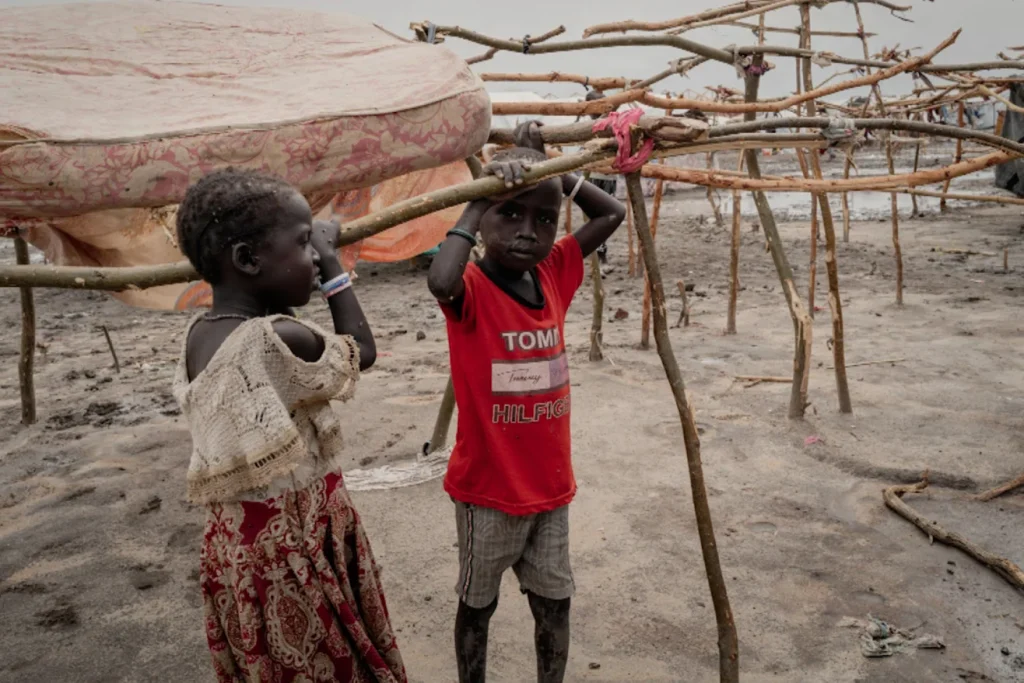
Sharing a country also requires room for difference. Our languages and community ties need not disappear, and we will not agree on every account of the past. Each community needs protection from domination. Within each community, women and young people must also be able to question those who claim to speak for them. Equal citizenship must protect the individual as well as the community.
Today, any call for dialogue will be heard against an immediate political background. Elections are scheduled for 22 December 2026. President Kiir dissolved the transitional government and national legislature in September, and talks between political parties have been reported. People are entitled to ask whether another dialogue would give them a greater say or give those in power more time.5
This letter makes no case for postponing the vote. Nor can an election date alone establish that citizens have a free and credible choice. The test of both dialogue and elections must be whether people can take part freely and hold those who govern them accountable. Dialogue must never provide cover for indefinite rule.
We must also reckon with the 2017–2020 National Dialogue. Citizens have already given time and hope to tell the country what must change. We should examine its recommendations and what followed them, preserving useful work rather than asking people to begin again as though they had never spoken. Political parties have an essential place in any serious process. An agreement among them, however, cannot speak for everyone whose life it will affect.6
The hardest objection remains: what if those with power ignore the outcome? A conference alone cannot answer that question. Before asking citizens to take part, those proposing a process must explain who will act on its decisions, under what authority and how the public can challenge inaction. Participants need protection from punishment for speaking honestly. A meeting that cannot influence decisions does not deserve support merely because it is called dialogue.
Securing those conditions will require political work. People who benefit from existing arrangements may resist changes that threaten their advantages. Public organisation and pressure will matter, as will the willingness of political leaders to accept limits on their power. We must be honest about these difficulties. Asking people to speak carries a responsibility to protect them from retaliation.
Some may reasonably prefer other routes to change. That disagreement belongs within the discussion. So do demands for justice. No one should have to forgive a perpetrator, accept equal blame for unequal wrongs or surrender a legal claim in order to participate. Seeking a future together cannot require silence about what has happened.
I write as a South Sudanese, offering an argument for you to examine. I ask you to test it against your own experience and challenge where it fails. Support for a shared future must leave room for disagreement about how to build it.
The next six letters will develop this case and examine its hardest questions, including why dialogue may be necessary, who must shape it and what could make its decisions count. The starting point is that every South Sudanese has an equal claim to the country’s future, including those whose grievances make us uncomfortable.
For now, I ask you to discuss this letter with someone whose experience of our country differs from yours. What would have to change for each of you to enjoy equal protection? What would convince you that your voice could shape the outcome of a national dialogue? I invite your answers and your objections. If we leave these questions entirely to those who hold power, we leave them to decide the terms of our common life. Our children deserve a country in which their lives matter more than anyone’s claim to rule.
Yours,
Dr. Remember Miamingi
The author is a South Sudanese human rights lawyer and governance specialist.
Sources
1. John Ryle and Douglas H. Johnson, editors, What Happened at Wunlit? An Oral History of the 1999 Wunlit Peace Conference, Rift Valley Institute, 2021, printed pp. 75–76. Deborah Yier Jany’s retrospective account and women’s participation.
Rift Valley Institute oral history
2. Amílcar Cabral, extracts from a 1965 party directive, reproduced as Tell No Lies, Claim No Easy Victories, translated by Richard Handyside, Revolution in Guinea, 1974, pp. 70–72.
Cabral directive and publication details
3. Transitional Constitution of the Republic of South Sudan, 2011, Articles 9(1), 11 and 14. The covenant is cited as expressed at independence.
Constitution text hosted by the International Labour Organization
4. Wunlit Dinka Nuer Covenant and Resolutions, 8 March 1999, reproduced in PA-X. See the covenant and the resolutions on institutional arrangements.
Wunlit agreement and resolutions
5. Radio Tamazuj, “Ruto tells Kiir: Pursue dialogue ahead of elections”, 5 October 2026. Source for the scheduled election date, September dissolution and reported party talks.
6. United Nations Development Programme, “National Dialogue Reaches Consensus on Recommendations to Redefine Unity in South Sudan”, 17 November 2020. An account of the consultations and conference, rather than an independent assessment of implementation.UNDP account of the earlier National Dialogue

 and then