



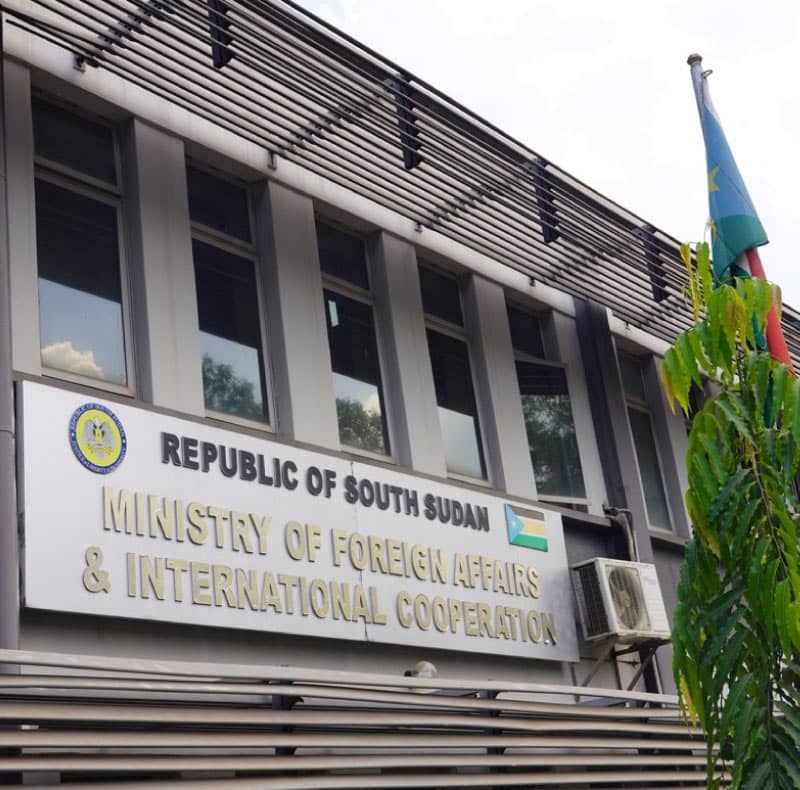
South Sudan has seemingly slipped from the radar of international donors. This neglect represents more than a moral shortcoming. It poses a strategic risk that requires South Sudanese diplomats in the Ministry of Foreign Affairs to act with urgency and determination.
Funding for South Sudan’s humanitarian appeal remains persistently inadequate. In Western capitals, the conversation has evolved from helping build the world’s newest nation to containing an endless emergency. This exhaustion has resulted in drastic reductions in food assistance, medical care, and schooling. The World Food Programme has been compelled to make heart-breaking decisions, reducing food allocations for refugees and other vulnerable groups, pushing millions toward the edge of starvation.
This is precisely where South Sudan’s diplomatic corps must take action. The days of sitting back and waiting are finished. Issuing statements from Juba bemoaning insufficient funding accomplishes unknown. South Sudanese ambassadors in Washington, London, Brussels, Beijing, and the Gulf states need to transform themselves from passive observers into energetic champions of their people’s cause. They must approach the international donor community with a coordinated, clear, and compelling approach.
To begin with, diplomats need to tackle donor fatigue directly. They should openly recognise the legitimate worries about transparency and accountability that have long dogged aid efforts in South Sudan. By offering a transparent, verifiable framework for how money is spent and safeguarded, diplomats can restore the confidence needed to release held-back funds. The message should be unmistakable. Putting money into South Sudan isn’t throwing it away. It’s a vital investment in regional peace and security.
South Sudanese representatives abroad must capitalise on their geopolitical connections. South Sudan isn’t standing alone. It maintains strategic partnerships throughout the region and beyond, with allies who have real stakes in its stability. Diplomats should present the humanitarian emergency not merely as a question of conscience, but as a matter of security. An unstable South Sudan poses a threat to the entire Horn of Africa, with possible consequences for migration patterns and commerce. This case needs to be made vigorously within the halls of the United Nations and the European Union.
What’s more, diplomatic missions should actively pursue relationships with unconventional donors. While Western nations may be preoccupied, rising economies and regional powers might be ready to step into the gap. South Sudanese ambassadors need to broaden their scope, looking for partnerships that extend past traditional charity toward long-term development, infrastructure projects, and agricultural ventures.
The international community’s silence is striking, but it doesn’t have to last forever. Determined diplomacy can fill the opening. Millions of South Sudanese lives depend on it. They cannot afford to have their representatives sit back. The moment has arrived for South Sudan’s diplomats to become the most passionate advocates for their people’s survival. They must pound on every door, insist on a voice at every negotiating table, and remind the world that South Sudan, however young, exists and matters. International donors may have lost sight of it, but South Sudan’s diplomats must make certain the world never forgets.
The writer is a South Sudanese journalist and a student at the University of Juba, pursuing a Master’s Degree in International Relations. He can be reached at khamislokudu@gmail.com
The views expressed in ‘opinion’ articles published by Radio Tamazuj are solely those of the writer. The veracity of any claims made is the responsibility of the author, not Radio Tamazuj.

 and then