



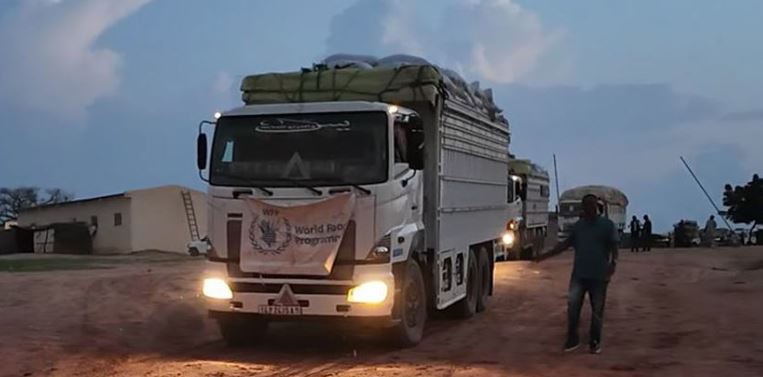
The General Coordination of Displaced Persons and Refugee Camps in Sudan has warned that funding-driven cuts to World Food Programme (WFP) assistance in the country will exacerbate the risk of hunger and leave vulnerable communities increasingly exposed to food insecurity.
Adam Rijal, the official spokesperson for the organization, told Radio Tamazuj that reductions in humanitarian assistance threatened the lives of hundreds of thousands of people who rely on aid for their basic food needs.
“The decision comes at a time when civilians are grappling with the consequences of war, displacement and deteriorating livelihoods, amid rising risks of hunger and malnutrition,” he said, warning that cuts to assistance amounted to a humanitarian threat.
The WFP’s decision comes amid mounting pressure on food security driven by conflict, displacement, drought and climate-related disruptions that have affected agricultural production.
Rijal cautioned against attributing these conditions to the El Niño phenomenon without first establishing the relevant timeframe for its possible occurrence and consulting experts in the field.
He said reducing assistance under such circumstances would mean more than simply cutting food rations. Adding that it could deprive displaced families of essential meals and force them to adopt harmful coping strategies, including withdrawing children from school, selling their remaining possessions, or reducing the number and size of daily meals.
“The most vulnerable groups bear the heaviest burden, particularly women, children, older people and persons with disabilities,” Rijal stated.
Rijal called on donor countries and international organizations to urgently close the funding gap to ensure the continuity of food assistance and its delivery to those in need.
He also urged an expansion of the humanitarian response and stronger nutrition and food security programmes, prioritizing the areas worst affected by the crisis.
In addition, Rijal called for efforts to end the war, beginning with a humanitarian truce that would ensure the uninterrupted flow of aid and food to affected communities.

 and then