



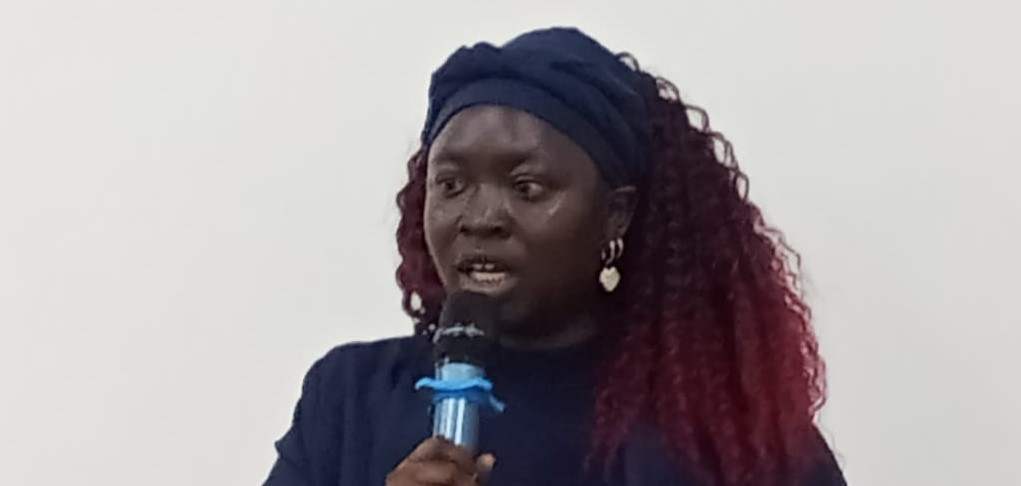
More than 40 young people from civil society organizations and political parties have taken part in a training session in Juba aimed at encouraging greater youth participation in South Sudan’s upcoming elections.
The workshop, organized by Markaz al-Salam, focused on moving young people beyond their traditional roles as voters or participants in conflict and encouraging them to seek elected and leadership positions, said Florence Agiba, the organization’s executive director.
“What we want this time is not just for youth to be voters, but to be candidates who are voted for,” Agiba said. “We want to see young people in leadership positions across various structures and branches of government, from local councils to the national level.”
Agiba said similar programmes had been held in Mundri earlier this year with support from Norwegian People’s Aid (NPA), while another session is tentatively planned for Yambio in October or November.
But limited funding is preventing the organization from expanding the programme nationwide, she said.
“If we had the resources, visiting the entire country would not be an issue,” Agiba said.
She said the organization is also working to ensure implementation of the 20% youth representation quota in decision-making bodies.
“We have secured the 20% representation ‘cake’ for young people. Now, it is about teaching them how to claim and share it at the grassroots level, but we are severely constrained by resources,” she said.
Agiba expressed concern about declining participation by political party representatives in recent strategy sessions. Of an expected 35 participants drawn from civil society, the private sector and political parties, fewer party representatives attended than at previous workshops, she said.
“Those in political parties are key because they are the ones who can implement these reforms internally when they return to their organizations,” she said. “To take up leadership positions, young people need active backing within their parties.”
Markaz al-Salam is advocating amendments to the National Elections Act to strengthen youth representation, including urging political parties to establish dedicated youth lists for nominations, Agiba said.
The organization is also calling for the mandatory 20% youth representation quota to be implemented across decision-making bodies.
Agiba cited a youth representation fact sheet released last year that showed no youth representation in the presidency or national ministries and only two young deputy governors across South Sudan’s 10 states and three administrative areas.
“The conversation today is about how we actualize this 20% quota,” Agiba said. “Young people should not only be tools for war, but active tools to build the nation.”
South Sudan is due to hold general elections in December, a vote that has been repeatedly delayed since the country gained independence in 2011.

 and then