



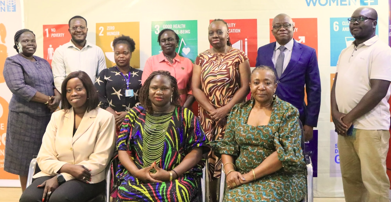
The Ministry of Gender, Child and Social Welfare and UN Women on Thursday launched an assessment of South Sudan’s care economy, seeking to generate evidence on how unpaid care work affects women and girls and contributes to gender inequality.
The initiative aims to examine both paid and unpaid care work, including childcare, eldercare, and domestic responsibilities, which officials say are essential to the well-being of families and communities but remain largely unrecognised in economic planning and national statistics.
According to a statement extended to Radio Tamazuj, Gender Minister Nuna Rhoda Rudolf Ndefu said investing in the care economy could help improve the economic status of women across the country.
“Women’s economic status can change through the transformative care economy, which has the power to unlock opportunities, dignity, and inclusive growth for women across South Sudan,” she said.
According to the ministry and UN Women, women and girls in South Sudan shoulder a disproportionate share of unpaid care work, a burden worsened by limited access to basic services such as clean water and energy.
The partners said the demands of unpaid care work often reduce women’s opportunities to pursue education, participate in productive employment, and engage in decision-making processes.
The assessment will analyze the links between care work, gender inequality, and broader development challenges, while identifying policy and investment opportunities to strengthen support systems for caregivers.
Officials said the findings will help the government develop gender-responsive policies and contribute to progress toward the Sustainable Development Goals, particularly in areas where data remains limited.
Delphine Serumaga, the UN Women Country Representative in South Sudan, said the care economy has long been overlooked despite its importance to economic and social development.
“The care economy is an often-overlooked sector in policy and planning, despite its crucial role in supporting women’s economic involvement, social protection results, and broader development efforts,” she said.
The assessment will be followed by a technical validation process and a high-level policy dialogue involving government institutions, the National Bureau of Statistics, development partners, and other stakeholders.
The Ministry of Gender and UN Women said the process is expected to inform future investments and policies aimed at recognizing, reducing, and redistributing care responsibilities while promoting women’s economic empowerment and strengthening household resilience.
As South Sudan continues to face economic and development challenges, officials said the care economy presents an opportunity to support inclusive growth and improve the lives of women and families across the country.

 and then