



South Sudan’s Human Rights Defenders Network has launched an independent initiative to monitor civic space, human rights and the electoral process ahead of general elections planned for December.
The network said on Friday that its monitoring would cover the entire electoral cycle, including voter registration, political campaigns, freedom of expression and assembly, and the participation of marginalised groups.
The initiative follows a week-long learning and mentorship visit to Nairobi, where network delegates, working with the South Sudan Human Rights Commission, studied Kenya’s experience in election management, observation, civic participation, dispute resolution and the handling of election-related tensions.
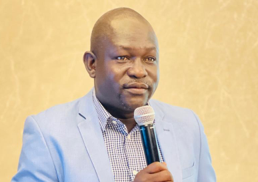
James Bidal, who led the delegation, said the visit reinforced the importance of protecting political rights before, during and after election day.
“The credibility of the December elections will largely depend on the existence of an enabling environment in which all political actors can compete fairly and citizens can participate freely without fear of reprisal,” Bidal said.
The network said it would monitor public statements, campaign messages and online communications by political parties and leaders for hate speech, incitement to violence, misinformation and disinformation.
It will also document allegations of intimidation, harassment, arbitrary arrests, violence and other rights violations linked to the elections, including the conduct of security agencies, political parties and public authorities.
The group said it would assess the use of public resources during campaigns and the participation of women, young people, people with disabilities, internally displaced people and other marginalised groups. It plans to publish periodic reports on electoral preparedness, civic space, political participation and human rights.
The network said shrinking civic and political space, weak public confidence in institutions, limited access to information and concerns over political tolerance posed challenges to credible elections.
It called on the government to protect civic and political freedoms and ensure independent and effective electoral institutions, while urging political parties and candidates to avoid inflammatory rhetoric and actions that could trigger violence.
The network also called on the National Elections Commission, Political Parties Council, security agencies, civil society, media organisations, regional bodies and international partners to help ensure the elections are peaceful, inclusive and credible.
South Sudan is due to hold its first elections since gaining independence in 2011 under the 2018 Revitalized Agreement on the Resolution of the Conflict in South Sudan (R-ARCSS). The vote has been postponed repeatedly, while opposition groups, civil society organisations and international observers have questioned whether conditions exist for credible elections in December, citing insecurity, delays in implementing the peace agreement and inadequate funding.
President Kiir’s camp says the country is ready to transition from a transitional unity government to an elected administration through the December polls, arguing that elections are necessary to end the prolonged transitional period.

 and then