



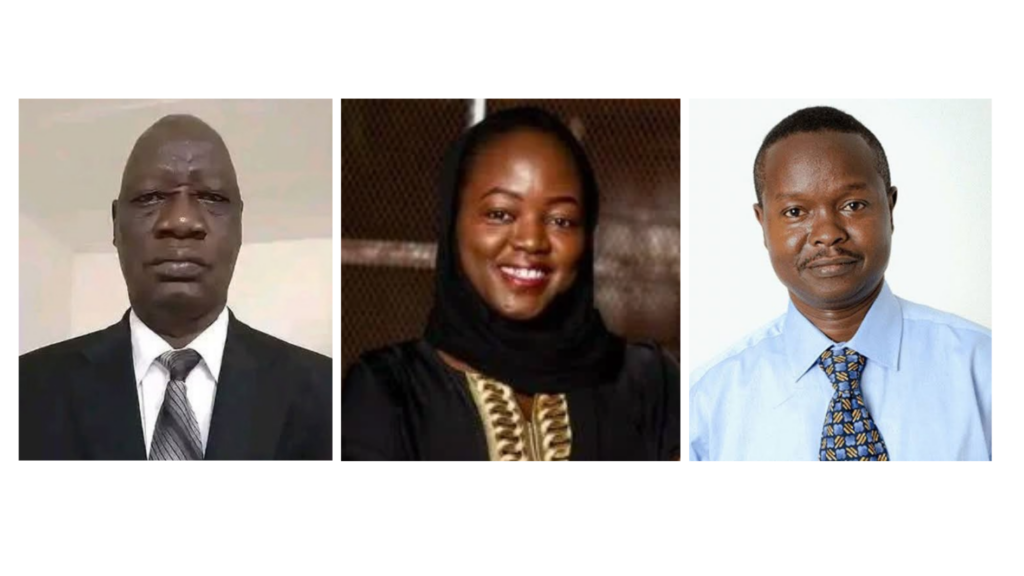
An online panel discussion hosted by Radio Tamazuj has raised concerns about the constitutional and political implications of President Salva Kiir’s decision to dissolve South Sudan’s transitional government ahead of elections scheduled for December 22.
The discussion on Wednesday brought together legal and political analyst Dr. Remember Miamingi, civil society representative Animu Amitai and former governor Kuel Aguer Kuel to examine the implications of the dissolution and the risks facing the country.
The panelists warned that the concentration of executive power could deepen political instability and increase the risk of renewed conflict and fragmentation.
They also questioned the scope and timing of the ongoing inter-party dialogue in Juba, saying it lacks clear parameters and could give greater weight to political elites than to broader sections of South Sudanese society.
The speakers argued that elections should be conducted within a clear legal framework and raised concerns about restrictions on fundamental freedoms, including those linked to the National Security Act.
They also highlighted financial and logistical challenges facing the National Elections Commission, including an estimated $225 million funding requirement, and questioned whether there was sufficient time to complete the various stages of the electoral process before the December vote. Voter registration had not begun as of September 22.
Dr. Miamingi raised concerns about presidential succession and the constitutional arrangements that would apply if the president is unable to continue in office.
Kuel called for a review of the 2018 peace agreement and the constitutional framework governing the transition, particularly following the dissolution of the power-sharing government.
Animu said regional and continental organisations should play a stronger role in addressing South Sudan’s political crisis. She also criticised what she described as limited international pressure on the government, arguing that diplomatic statements should be backed by sustained engagement and, where appropriate, targeted measures.
The panel also discussed the lack of clear accountability mechanisms under the caretaker administration and considered possible responses, including public-interest litigation and diplomatic measures.
Kiir dissolved the transitional government, parliament and state governments on September 22 and appointed a caretaker administration. Under the amended election law, Kiir remains president during the electoral period until a newly elected president takes office.
The panelists said the credibility of the electoral process would depend on a clear legal framework, adequate preparations by electoral institutions, political participation and the protection of civic and political freedoms.

 and then