



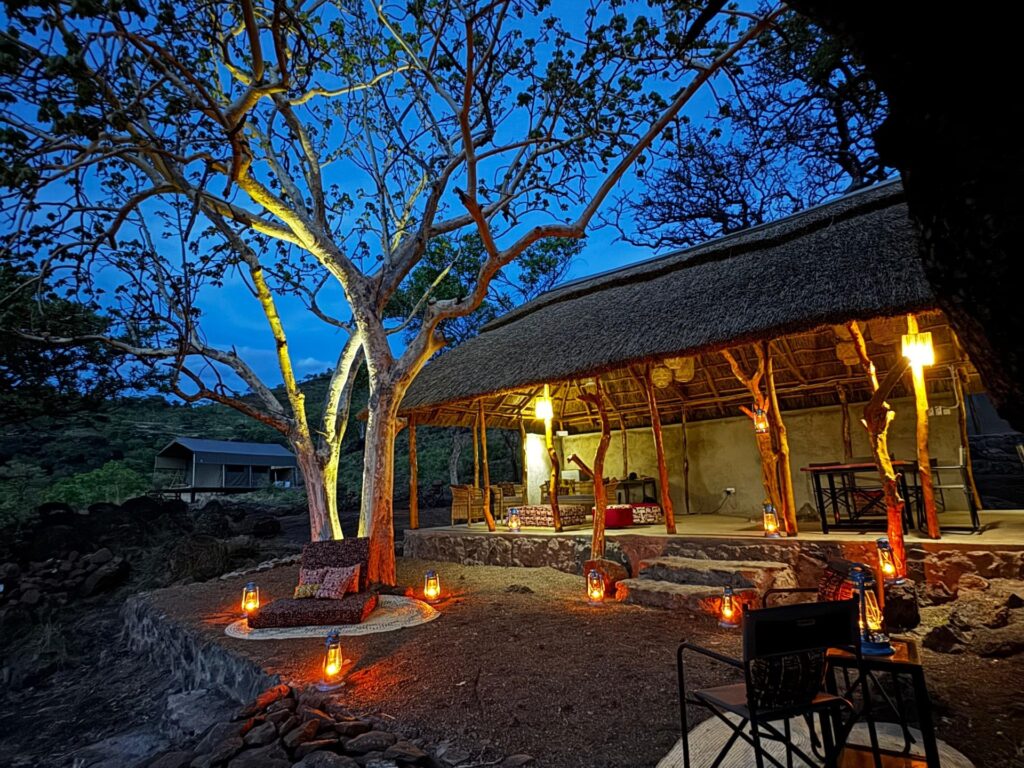
The establishment of the first tourist camp in the Maruwa Hills in Greater Pibor Administrative Area’s Boma County by the African Parks marks a milestone for South Sudan. For a country long associated with conflict and humanitarian crises, this development represents something profoundly different: a shift toward conservation-led tourism, economic diversification, and global environmental partnership. It is not just a camp—it is a symbol of possibility.
On Thursday last week, South Sudan took a significant step forward in conservation and tourism with the official opening of the Maruwa Hills Tourist Camp in Boma County, within the Greater Pibor Administrative Area. The launch was led by the Ministry of Wildlife, Conservation, and Tourism, in partnership with the African Parks, marking a major boost to the country’s tourism.
The inauguration reflects a growing national commitment to unlocking the economic potential of wildlife and natural landscapes. It also demonstrates a shared vision between government and conservation partners to position South Sudan as an emerging eco-tourism destination. The Maruwa Hills camp now stands as the first practical tourism facility in this remote and wildlife-rich region, offering a foundation for sustainable growth and international engagement.
The Maruwa camp marks the beginning of structured eco-tourism in one of the world’s least-explored landscapes. South Sudan is home to vast ecosystems, spectacular migratory wildlife, and untapped natural beauty. Yet, for years, these assets remained largely invisible to the world due to insecurity, weak infrastructure, and limited investment.
By establishing a permanent tourism facility, African Parks has taken the first step in transforming wildlife from a vulnerable natural resource into a sustainable economic engine. The camp opens the door to international visitors, researchers, and conservation investors—positioning South Sudan as an emerging destination for eco-tourism.
The potential impacts of this initiative extend far beyond conservation:
Job creation and local livelihoods: Tourism infrastructure brings employment opportunities for local communities, from guides and rangers to hospitality workers and transport providers. For the remote areas, this can significantly reduce dependence on unsustainable activities such as poaching or illegal logging.
Revenue diversification: South Sudan’s economy remains heavily dependent on oil. Tourism provides a valuable alternative source of revenue that is both renewable and sustainable. Countries like Kenya, Tanzania, and Rwanda have proven that wildlife can become a pillar of national income.
International confidence and investment: The success of the African Parks in Maruwa sends a strong message to the global community: South Sudan is open to conservation partnerships and long-term investment.
The development also offers important lessons for the South Sudan Wildlife Service.
The African Parks’ model demonstrates that collaboration between government and experienced conservation organizations can produce tangible results. Strong governance, professional park management, and transparent partnerships are key ingredients in successful wildlife protection.
African Parks brings technical expertise, ranger training, infrastructure development, and international networks. This demonstrates how capacity-building and knowledge transfer can enhance the effectiveness of national institutions.
Long-term success depends on ensuring that nearby communities benefit directly from wildlife conservation. When people see wildlife as an economic opportunity rather than a threat, conservation becomes sustainable.
The Maruwa camp represents the opening of a new chapter in South Sudan’s story, one where wildlife conservation, tourism, and economic development move hand in hand. This is not merely a conservation project; it is a nation-building opportunity.
For this initiative to reach its full potential, continued and strengthened support from the government is essential:
- Improving infrastructure and access to parks
- Ensuring security and stability in conservation areas
- Expanding policy support for eco-tourism
- Encouraging further conservation partnerships
With consistent backing, the African Parks can scale its work and help unlock South Sudan’s extraordinary natural heritage.
Finally, the first tourist camp at Maruwa demonstrates how strategic wildlife partnerships can deliver conservation success, economic opportunity, and national pride. If sustained by a strong government commitment, this initiative could redefine South Sudan’s global image and unlock a future in which nature becomes a driver of peace, prosperity, and sustainable development.
Leek Daniel is a media specialist and development practitioner. He can be reached via leek2daniel@gmail.com.
The views expressed in ‘opinion’ articles published by Radio Tamazuj are solely those of the writer. The veracity of any claims made is the responsibility of the author, not Radio Tamazuj.

 and then