



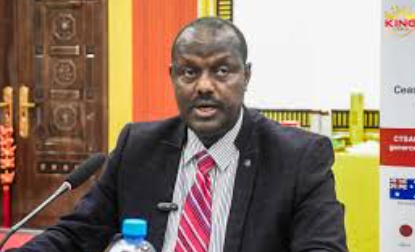
South Sudan’s ceasefire monitoring body on Tuesday warned that a newly announced alliance between opposition groups risks undermining the country’s fragile peace agreement, amid rising violence and continued violations across several regions.
Maj. Gen. Teshome Anagawe Ayana, chairperson of the Ceasefire Transitional Security Arrangements Monitoring and Verification Mechanism (CTSAMVM), said the reported memorandum of understanding between the SPLM/A-IO and the National Salvation Front (NAS) contravenes the 2018 Revitalized Peace Agreement.
“This alliance is not permitted under the R-ARCSS and contradicts the commitment to move away from conflict,” Anagawe said during the 54th CTSAMVM board meeting in Juba. He urged the SPLM/A-IO to withdraw from the agreement and adhere to its obligations as a signatory to the peace deal.
The warning comes as the monitoring body reported that the overall security situation has not improved since its last meeting in February, with the peace agreement facing what it described as a “serious threat” due to repeated violations and continued armed clashes.
CTSAMVM highlighted escalating fighting in Jonglei State, particularly in Akobo, where clashes between government forces and SPLM/A-IO fighters intensified earlier this month. The violence has reportedly displaced up to 200,000 people, many of whom fled toward neighboring Ethiopia, while humanitarian operations were disrupted by looting and insecurity.
The monitoring body also raised alarm over a series of incidents affecting civilians, including a deadly attack in Abiemnhom in the Ruweng Administrative Area on March 1 that left an unspecified number of people dead and displaced thousands. It further cited alleged aerial bombardments by government forces in Upper Nile State, which it said constitute serious violations of the ceasefire agreement.
Gen. Anagawe stressed that lasting peace depends on the commitment of all parties to prioritize dialogue over military confrontation, warning that continued violations risk normalizing violence across the country.
“It is important that all stakeholders exercise restraint, protect civilians, and engage in constructive dialogue to prevent a relapse into widespread conflict,” he said.
Despite the challenges, CTSAMVM said it continues to carry out monitoring and verification activities, though access restrictions and insecurity have hindered some of its operations. The body called for sustained support from international partners to ensure effective oversight of the peace process.
South Sudan’s 2018 peace agreement, which ended a five-year civil war, remains the cornerstone of efforts to stabilize the country. However, delays in implementing key security arrangements, including the deployment of unified forces, and growing mistrust among the parties continue to threaten its full realization.

 and then