



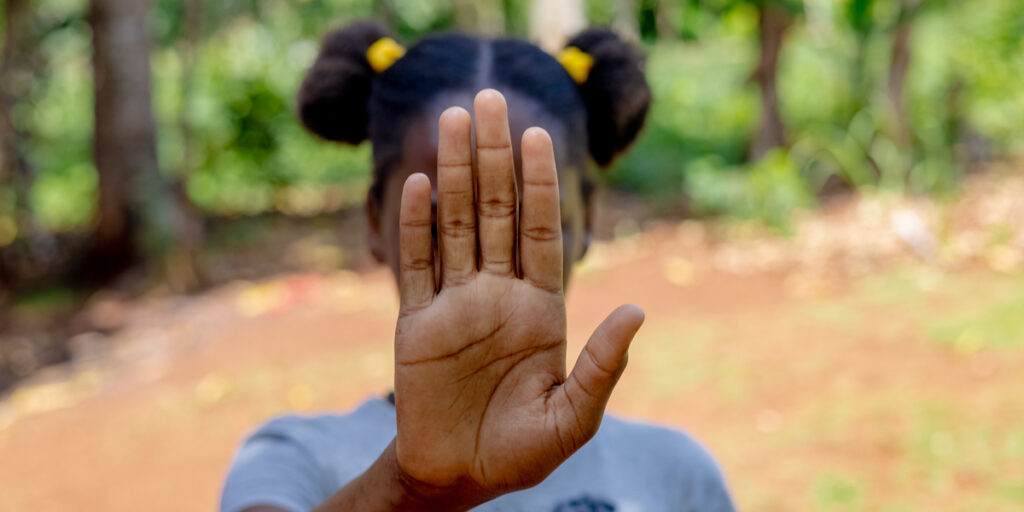
Married at 14 in exchange for cows, Nyanbuot is now a mother and is six months pregnant with her second child. Despite South Sudan’s laws protecting girls from early and forced marriage, she is still struggling to reclaim the future she once imagined.
At 14, Nyanbuot was dreaming of becoming a doctor. She was in Primary Seven, studying in Kenya and imagining a future in which she could help pregnant women and mothers facing health challenges.
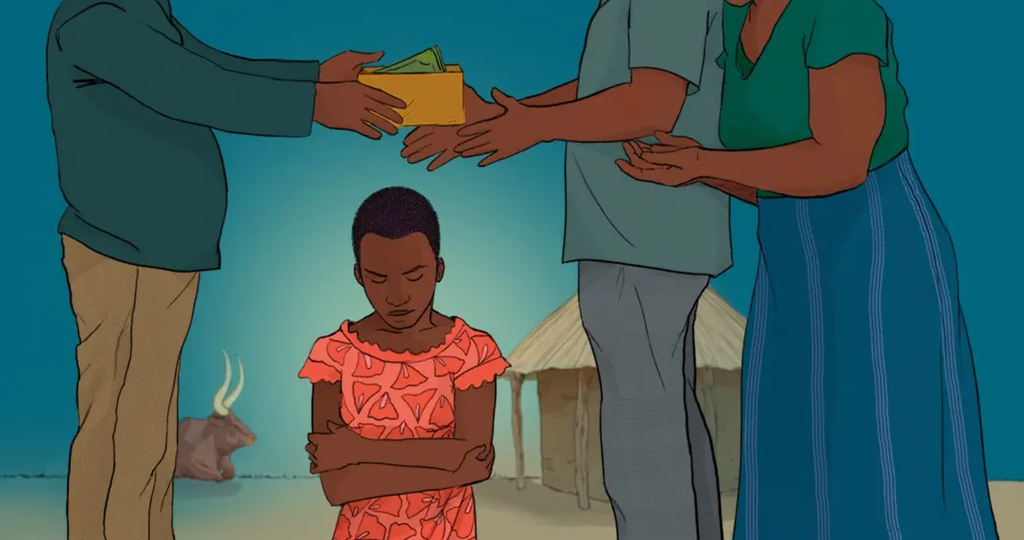
But in January 2024, her life took a different turn. Without her knowledge or consent, she says, her relatives arranged her marriage to a man she had never met, in exchange for cows and other wealth.
Now 17, Nyanbuot is a mother and is six months pregnant with her second child. Her education has been interrupted, her ambition of becoming a medical doctor put on hold, and her daily life shaped by responsibilities she says she was far too young to bear.
“My family just decided to marry me off because of the cows. So, I was married into a family and to a man I had never met or seen in my life,” she said.
The marriage was arranged while Nyanbuot was studying in Kenya. She said her relatives called her home during the Christmas period, assuring her that everything was fine. She had no idea that plans for her marriage had already been made.
When she arrived in Rumbek, Lakes State, she discovered that her family had other intentions.
“I was studying in Kenya, not in South Sudan. People just informed me during Christmas time that I should come back and see the family. When I came, I stayed for only two days before they married me off immediately,” she said.
A childhood interrupted
For Nyanbuot, the transition from schoolgirl to wife was overwhelming. She said her first pregnancy was particularly difficult, as she struggled to cope with household duties while carrying a child and adjusting to a husband she barely knew.
“I am not feeling okay because this is a very new life to me. Imagine, someone who is a child like me is also carrying another child,” she said.
“It was really very hard in the past months when I was pregnant. I struggled to cook while I was also pregnant. Sometimes, he could beat me, and I could not talk to him because he was someone I did not love.”
She said that when she tried to turn to her parents for help, they also beat her rather than offering support.
Leaving the marriage, she added, was not a straightforward option. Her family had received cows in exchange for her, and she feared that her relatives, particularly her brothers who owned the animals, would refuse to take her back.
“My brothers, who received the cows, would not be happy to accept me back from the marriage. They could also chase me back to the man. So, my life was very hard,” she said.
Her concerns are compounded by the demands of raising a young child in a household where, she said, her husband struggles to provide for the family.
“I sometimes wonder why my family members put me into this difficult life because I am suffering, and my little child is also suffering. This man does not have anything apart from the cows he gave to my parents,” she said.
Now six months pregnant again, Nyanbuot faces the prospect of raising two children while still trying to understand and cope with a life she says she never chose.
A wider concern
Nyanbuot’s experience is not isolated. Forced and early marriage, often linked to the payment of cattle as bride wealth, has been documented in Lakes State, where girls have also faced violence for resisting family-arranged unions.
In April 2019, a 20-year-old girl was beaten to death in Yirol after refusing to marry a man selected by her family. The suitor had offered 40 cows to the family.
In May 2020, a 20-year-old woman was beaten to death by her brothers in Rumbek Centre after rejecting a marriage arranged by her family.
In February 2025, a girl was hospitalised in Rumbek after her brothers beat her for refusing a marriage partner chosen by her family.
A 2023 briefing by Saferworld on gender-based violence in Lakes State also identified forced marriage as a serious concern affecting girls.
The cases highlight the risks faced by girls who resist marriages arranged by relatives, particularly where cattle payments influence family decisions.
Law protects girls
South Sudan has legal provisions intended to protect girls from early and forced marriage, violence and practices that undermine their dignity, health and education. Yet Nyanbuot’s experience raises questions about how effectively those protections are being implemented in communities.
Article 15 of the Transitional Constitution of South Sudan provides that no marriage shall be entered into without the free and full consent of the man and woman intending to marry.
Article 17 defines a child as anyone below the age of 18 and guarantees children protection from harmful cultural practices affecting their health, welfare or dignity. It also requires the best interests of the child to be the primary consideration in decisions concerning children.
The Child Act 2008 provides more specific safeguards. Section 23 guarantees every child protection from early marriage and cultural or traditional practices likely to harm their health, welfare, dignity or physical and psychological development.
Section 26(1) specifically protects girls from sexual abuse, exploitation and gender-based violence, including early and forced marriage. The same section guarantees girls equal access to education and training.
It also states that no girl should be expelled from school because of pregnancy or motherhood or prevented from continuing her education after one year of lactation.
South Sudan’s legal framework therefore recognises children’s rights to protection, education and development. But the existence of these provisions has not necessarily translated into effective protection for girls facing pressure from their families and communities.
Still dreaming of school
Despite the difficulties, Nyanbuot has not abandoned the ambition she held as a schoolgirl.
She wants to return to the classroom, complete her education and eventually become a doctor. She hopes to help pregnant women and mothers facing health challenges, drawing on some of the difficulties she has experienced herself.
“Yes, I still have hope of going back to school because I had a good dream of becoming a doctor. But now I am just at home. I want to become educated so that my children can have an educated mother in the family and so that I can also help pregnant mothers,” she said.
She said her husband had previously agreed, following discussions with some of her maternal uncles, to allow her to resume her studies and complete Primary Eight. But that agreement did not last.
When she raised the matter again, she said, her husband refused to let her return to school, questioning the value of education for a married woman.
“When I tried to tell him to let me go back to school because he had agreed the previous time, he refused and asked me what the benefit of education was. He told me that I was now his wife and had no decision to make unless he decided. So, he refused to take me back to school,” she said.
Returning to education would also require practical and financial support. With a young child to care for and another on the way, she said she needed a way to earn an income while pursuing her studies.
She is particularly interested in vocational training, especially tailoring, which she hopes would enable her to establish a small business.
“I would want life skills training and vocational training, such as tailoring, so that I can start a small business. I will be able to provide food for my child, buy medicine and also meet my own needs, including scholastic materials, as I continue with my studies,” she said.
Without an independent source of income, she fears that returning to school would leave her struggling to meet her children’s needs.
Rethinking marriage tradition
Nyanbuot’s ambitions now extend beyond rebuilding her own life. She wants to help prevent other girls from experiencing what happened to her.
She believes traditional leaders, particularly chiefs, could play an important role in challenging early and forced marriages in Lakes State because of the influence they wield within communities.
“If I am given an opportunity to serve my community, I would talk to the elders, especially the chiefs. These are people who are always respected, and their voices are heard in the community. I would engage them so that they can take action against anyone who tries to marry off a schoolgirl,” she said.
Looking back, she said fear had prevented her from reporting her own situation. She worried that seeking assistance from a human rights organisation or the police would cause her parents to disown her.
“During my time, I was afraid that if I reported myself to an NGO supporting girls’ education or the police, my parents would disown me. But now I have seen that these organisations are helping girls facing forced marriage,” she said.
Traditional leaders face challenges
Majak Deng Mabok, Executive Chief of Ayen Paciec Boma in Maleng-agok Payam, Rumbek East County, spoke to Radio Tamazuj about the issue.
He said traditional authorities were working to discourage early and forced marriages through community awareness campaigns and dialogue with families.
But he acknowledged that identifying and addressing cases remained difficult, partly because many girls did not report marriages arranged against their wishes.
“Most victims of forced marriage do not come to us or show up to tell us that they are victims,” he said.
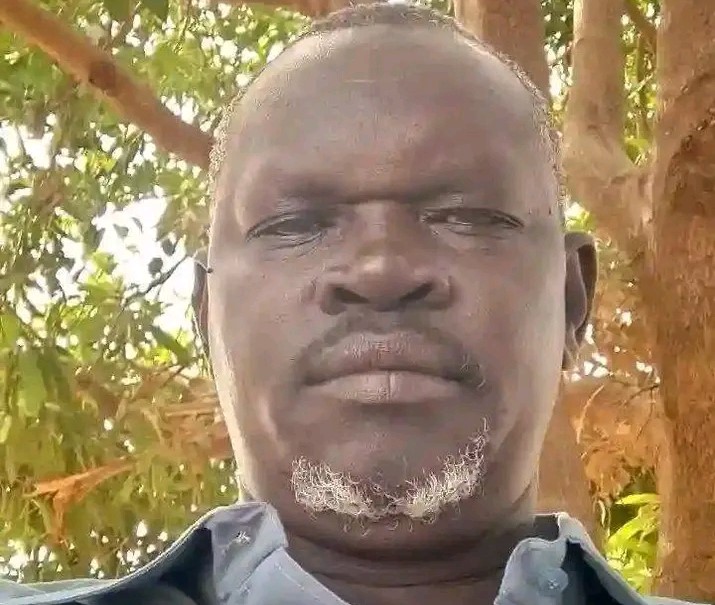
Majak said traditional authorities had recorded three cases of forced marriage this year. One had been successfully addressed, while two remained unresolved after families insisted on making their own decisions.
He said customary courts engaged parents and encouraged them to give girls time to grow up and complete their education before marriage.
“Even if both parents agree to marry the girl, we still give her time, at least one year, to grow to the marriageable age of 18 years,” he said.
He added that traditional leaders could intervene through dialogue with families and, where parents refused to heed their advice, order the arrest of those involved in arranging forced marriages.
However, he said their ability to act is limited when girls don’t personally come forward to challenge the arrangements.
“It would have been good if a victim came and said, ‘I don’t want this marriage.’ Then the customary court would intervene by any means. There are ways for the traditional court to intervene, including holding dialogue with both parents,” he said.
Majak’s account highlights the importance of reporting and community intervention, but Nyanbuot’s experience illustrates the difficulties girls can face when the very families expected to protect them are involved in arranging their marriages.
For her, the consequences have been far-reaching: an interrupted education, an early pregnancy, domestic responsibilities and a struggle to secure independence.
Yet she continues to imagine a different future, one in which she can return to school, support her children and perhaps one day fulfil her ambition of becoming a doctor.
Her message to parents is simple: give girls the chance to grow up and decide their own futures.
“I want parents to allow their daughters to continue their education and reach an appropriate age before getting married,” she said.
Note: This feature story is part of a series amplifying the voices of girls across South Sudan, sharing their personal experiences, challenges, hopes and aspirations, and highlighting the issues affecting their rights, safety and future.

 and then