



South Sudan’s cabinet on Friday approved a proposed SSP11.3 trillion resource envelope and expenditure framework for the 2026/27 financial year, a more than 60% increase from the SSP7 trillion budget approved for 2025/26.
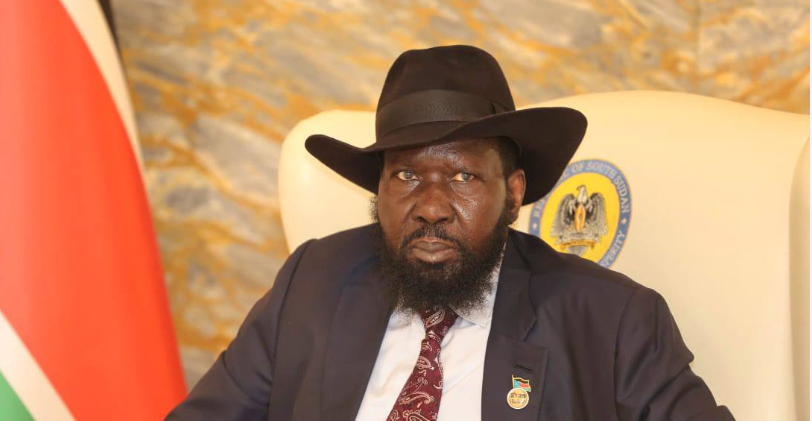
The Council of Ministers, chaired by President Salva Kiir, endorsed the proposal after Finance and Planning Minister Daniel Ayulo Kuol presented projected government revenues and planned expenditure for the coming fiscal year.
The framework will now be submitted to the Transitional National Legislative Assembly for debate and approval.
The government said the budget framework, under the theme “Building Resilience and Economic Prosperity for Sustainable Peace,” prioritises strengthening economic resilience, improving public service delivery and promoting sustainable national development.
The proposed increase in spending comes despite persistent economic challenges, including high inflation and recurring delays in paying civil servants, whose salaries have frequently gone unpaid for months across the country.
The cabinet also reaffirmed a recent decision to tighten tax exemptions, saying importers of alcoholic beverages, cigarettes, motor vehicles and other goods not covered by statutory exemptions would be required to pay all applicable taxes and duties. Exemptions will continue only where provided under domestic law or international obligations, including for United Nations agencies, humanitarian organisations and development partners.
Under Article 88 of South Sudan’s Transitional Constitution, the government is required to prepare and present annual budget estimates to the national legislature before the start of the financial year on July 1, allowing lawmakers to debate and approve spending before government operations begin under the new budget.
As a member of the East African Community (EAC), South Sudan is also expected to align its budget cycle with those of other partner states under the bloc’s fiscal harmonisation framework. EAC member states traditionally table and approve their national budgets before the beginning of the financial year, with finance ministers presenting budget statements simultaneously in June.
South Sudan has, however, repeatedly missed those deadlines. The 2025/26 budget was approved by the cabinet in November 2025, several months after the financial year had begun, delaying parliamentary scrutiny and implementation and leaving the country out of step with other EAC member states.

 and then