



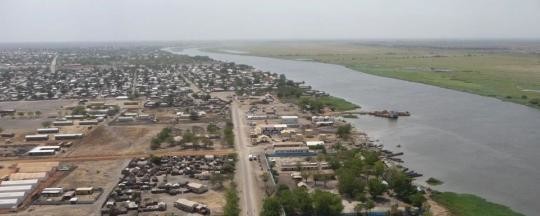
A civil society coalition has handed over 30 land registration documents to vulnerable residents who lost their papers during conflict and displacement in Upper Nile State, as part of efforts to strengthen property rights and reduce land disputes.
The Coalition of Civil Society on Natural Resources (CSCNR), in collaboration with Norwegian People’s Aid (NPA) and state authorities, launched an awareness campaign in Malakal to educate residents about land ownership, registration and their legal rights.
The programme targeted widows, orphans, older people, internally displaced people, returnees and people with disabilities, the coalition said in a statement.
Charles Judo, the coalition’s chairperson, said 30 eligible residents who had lost their land registration documents during conflict and displacement had been identified and their paperwork processed before the documents were handed over.
He said the initiative aimed to improve land tenure security, prevent disputes and promote peaceful coexistence in communities affected by years of conflict.
Upper Nile State, like neighbouring Unity State, has been affected by conflict since 2013, Judo said.
Chukwan Philip, a director general at the Ministry of Roads, Bridges and Physical Infrastructure, welcomed the initiative and outlined provisions of the Land Act 2009 governing land acquisition, ownership and access.
He said the law recognises customary, freehold and leasehold land tenure and provides for access to land for housing, cultivation, grazing and other uses, subject to legal regulation.
Philip also cited Section 78(1) of the Land Act, which addresses the restitution of land rights lost through involuntary displacement associated with the civil war that began in 1983.
The campaign included an awareness session attended by 44 people, including community leaders, internally displaced people, returnees, young people and women’s groups. Participants discussed land ownership, land management and mechanisms for resolving disputes.
Residents seek further assistance
Participants called on the coalition and its partners to extend assistance to more residents who had lost land registration documents. They also urged the ministry to reduce registration fees to make it easier for landowners to formalise their documents.
Martin John, a beneficiary of the programme, welcomed the assistance but said a lack of money continued to prevent residents from building permanent homes on their plots.
He called on non-governmental organisations to support house construction and clear roads in the Luakat area to improve access and security.
Participants also recommended expanding land rights awareness campaigns, building shelters for vulnerable households, establishing additional police posts and providing surveying equipment to strengthen the ministry’s land administration capacity.

 and then