



Nine in 10 organizations supporting women and girls displaced from Sudan’s El Fasher reported persistent psychological distress a year after the city fell to paramilitary Rapid Support Forces (RSF), according to a UN Women survey released on Friday.
The survey of 50 women’s organizations found that 45 reported continuing psychological distress among displaced women and girls, while 48 said women were unable to sleep because of trauma.
El Fasher, the capital of North Darfur, fell to the RSF on October 26, 2025, after an 18-month siege marked by reports of killings, sexual violence, looting and disappearances.
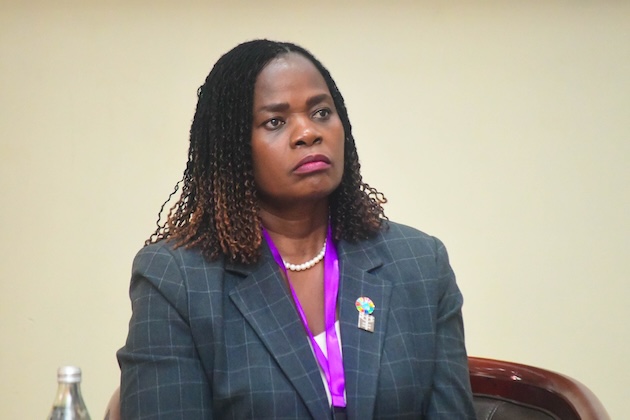
“One year on, the scars of the violence in El Fasher have not faded,” Anna Mutavati, UN Women’s regional director for East and Southern Africa, told a press briefing in Geneva.
The survey found that 49 of the 50 organizations had observed signs of psychological distress among displaced women and girls, while nine in 10 described their living conditions as unsafe. About two-thirds knew of women or girls who had disappeared during or after the city’s fall.
Access to assistance remains limited. Forty-three organizations had encountered distressed women and girls who had received no mental health, psychosocial or legal support since fleeing. Nearly half said few or none of the women they supported could access such services.
Mutavati said service providers faced threats of arrest and harassment, while women and girls lacked adequate protection.
Some residents have begun returning to El Fasher, but insecurity continues to restrict their movements. According to a 2026 Sudan needs assessment by the International Organization for Migration, 84% of 117 households surveyed said women avoided marketplaces, about two-thirds avoided collecting firewood, and half avoided social, community or religious spaces.
Hospitals lack doctors and medicines, while food and other basic goods remain scarce, Mutavati said.
She also warned of increasing drone attacks on displacement camps, markets and other civilian infrastructure across Sudan, including in Blue Nile, Khartoum, West Kordofan and Gedaref states and parts of Kassala state. Women and children were among those killed or injured, including people who had already fled violence, she said.
The UN Fact-Finding Mission for Sudan has reported that 80% of hospitals in conflict-affected areas are not functioning, contributing to maternal deaths and restricting access to sexual and reproductive healthcare, Mutavati said.
Despite insecurity and funding shortages, women-led organizations continue to provide assistance and support peace efforts, she said.
Mutavati called for civilian protection, accountability for perpetrators and compliance with international humanitarian and human rights law. She also urged sustained support for women and girls and their meaningful participation in decisions on Sudan’s future.

 and then