



UN Women on Monday urged South Sudanese journalists to adopt conflict-sensitive and gender-responsive reporting ahead of the country’s planned elections, saying responsible media coverage will be critical to promoting peaceful democratic processes and countering misinformation.
The appeal was made during the opening of a two-day training workshop for journalists on conflict-sensitive reporting, gender-responsive journalism and the media’s role in advancing peaceful elections.
The training, organised by the National Press Club South Sudan (NPC) with support from UN Women, brought together journalists from various media houses, freelancers, representatives of the Union of Journalists of South Sudan (UJOSS) and the Female Journalists Network (FJN).
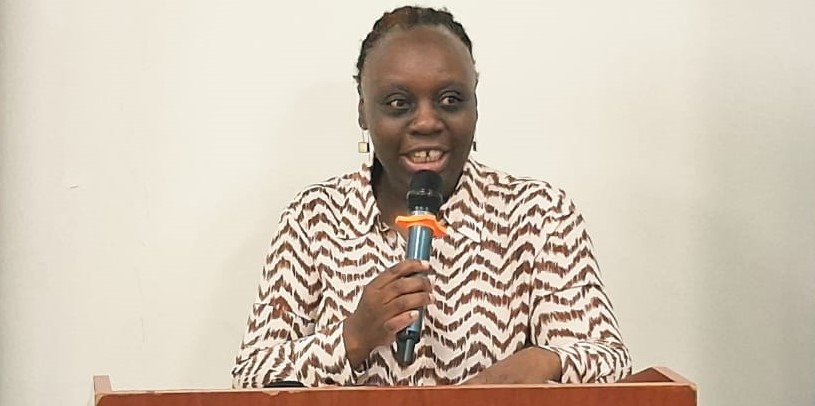
UN Women Deputy Country Representative Hulda Ouma said journalists would play a central role in shaping public understanding of the electoral process.
“As South Sudan stands on the threshold of elections, the role of the media has never been more important,” Ouma said.
“The media sits at the centre of this process. Your pens, keyboards, microphones and digital platforms are shaping this country’s narrative.”
She warned that inaccurate or inflammatory reporting could deepen divisions and fuel tensions, urging journalists to verify facts, provide context and avoid sensationalism.
“Conflict-sensitive journalism is not about avoiding difficult stories. It is about reporting accurately, clearly and responsibly,” she said. “It requires journalists to verify facts, provide context, avoid sensationalism and ensure that reporting informs rather than inflames.”
Ouma also called on media organisations to increase the visibility of women in politics and public life by portraying them as leaders, experts and agents of change.
She said UN Women would continue supporting initiatives aimed at strengthening women’s leadership, preventing violence and promoting peaceful coexistence through responsible media engagement.
UJOSS Chairperson Patrick Oyet said journalists had a constitutional responsibility to promote freedom of expression by providing equitable coverage to all sections of society, including women and persons with disabilities.
“We have to be fair. Everybody should be given an opportunity to express themselves,” he said.
He urged journalists covering conflict to avoid reporting that could escalate tensions and challenged media outlets to provide balanced coverage of female candidates during the election period.
“There are going to be women contesting for positions. Are we ready to cover them just as we cover the men?” he asked.
National Press Club Executive Director Poverty Alfred said the training would equip participants with practical skills in conflict-sensitive reporting, gender-responsive journalism and identifying story ideas that promote gender equality.
He encouraged journalists to use inclusive language, avoid stereotypes and uphold ethical standards at a time when misinformation on social media is increasing.
“When journalism uses inclusive language, avoids stereotypes and gives people a voice, it helps build trust in our communities,” Alfred said.
The two-day training is expected to strengthen journalists’ capacity to promote gender equality, counter misinformation and contribute to peaceful and credible elections through professional and responsible journalism.

 and then