



Today carries a weight unlike any other on our national calendar. It is not a day for festivity but rather a moment when we collectively pause to confront the profound price of our freedom.
30 July marks Martyrs’ Day, a solemn public holiday observed across South Sudan to pay tribute to the countless souls who gave everything so that we could breathe the air of liberty. On this date in 2005, we lost Dr. John Garang de Mabior, the visionary leader of the Sudan People’s Liberation Movement/Army (SPLM/A), in a tragic helicopter crash, just months after the Comprehensive Peace Agreement was signed. Yet this day extends far beyond one man’s legacy. It belongs to every forgotten soldier who fell in battle, every civilian whose life was cut short by violence, every mother who carried both ammunition and aspirations for a better tomorrow, and every child who never witnessed the nation their parents had envisioned.
The numbers tell a harrowing story. Over nearly five decades of relentless conflict, more than one million Southern Sudanese lives were extinguished. These were not faceless figures in a report; they were real people with names, dreams, and families who loved them. Their sacrifice soaked the earth of this land we now call home.
When we finally raised our flag on 9 July 2011, it represented far more than a political milestone. It was the crowning achievement of a struggle that spanned generations—a fight for basic human dignity, the right to self-governance, and genuine political freedom. This victory came at an immeasurable cost, paid by heroes whose names fill our history books and whose presence we still feel in the winds that sweep across our plains.
But what does truly honouring these martyrs look like? It cannot be reduced to rehearsed speeches and ceremonial gatherings that fade with the setting sun. Genuine tribute means rolling up our sleeves and constructing the very nation they died to create—a country founded on peace, fairness, and equal opportunity for every citizen. It demands that we reject division and embrace our shared identity, trade bitterness for reconciliation, and extend essential services to the most remote villages because that was their vision.
Our leaders bear a heavy responsibility. They must govern with honesty and serve the collective good. We, the ordinary citizens, must also ensure that our martyrs’ dreams do not wither unfulfilled.
Let us transform 30 July from merely another day off work into something far more meaningful. Let it become an occasion for deep contemplation, heartfelt appreciation, and steadfast dedication. Visit the monuments that honour our fallen heroes. Share their stories with the younger generation, and let them know the names and faces behind the freedom they enjoy today. Raise our flag with both pride and a deep awareness of the blood that gives it meaning.
Our departed heroes and heroines gave their lives for a vision of a better South Sudan. Now, it falls upon us, the living, to carry that vision forward. This is our sacred obligation, and we must not fail them.
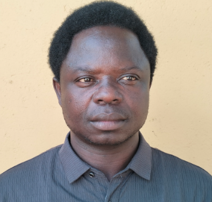
The writer, Khamis Cosmas Lokudu, is a South Sudanese journalist and a student at the University of Juba pursuing a Master’s degree in International Relations. He can be reached at khamiscosmas@gmail.com.
The views expressed in ‘opinion’ articles published by Radio Tamazuj are solely those of the writer. The veracity of any claims made is the responsibility of the author, not Radio Tamazuj.

 and then