



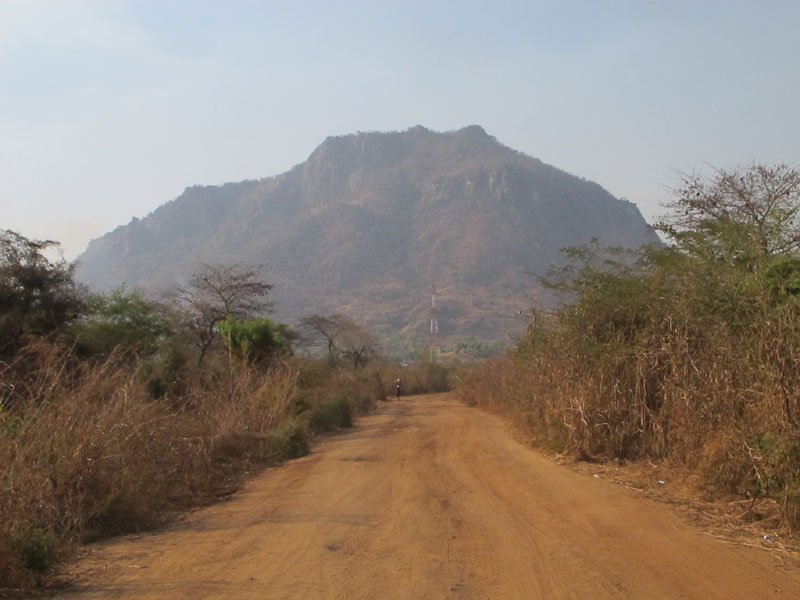
At least two people have been killed and 17 others injured in clashes between government forces and local youth along the Kapoeta–Ngauro Road in Eastern Equatoria State, leaving a key transport route blocked and raising concerns over food shortages, access to medical supplies and civilian safety.
The clashes, reported to have occurred two days ago, have disrupted movement between Kapoeta and Ngauro, a busy trading center and administrative hub. However, the circumstances surrounding the reported deaths and injuries have not been independently verified, and the identities of the victims remain unclear.
David Lino Lochungai, the youth leader in Ngauro Local Government Administrative Area, told Radio Tamazuj that the road remained impassable, with traders and travelers stranded on both sides.
“The road is still blocked, as I speak to you right now,” he said, adding that authorities had advised against vehicle movements between Ngauro and Kapoeta until the route was declared safe.
Lochungai said he had been forced to take a lengthy alternative route through several locations, including Ngathilani, Maaji, Natinga, Niukuch, Lutukei, Kikilai, Lotome, Cahare and Lobira, before reaching his destination in Torit.
He said the continued closure of the vital road was preventing the movement of essential goods into Ngauro, where residents rely heavily on supplies transported through Kapoeta.
Lochungai warned that the disruption was worsening an already difficult humanitarian situation, as communities contend with drought and limited local food production.
“There is no food in the market,” he said. “If the road does not open soon, I think there will be starvation.”
He added that medical supplies were also stranded, threatening the delivery of healthcare services in the area.
Lochungai, who said he operates a clinic, warned that the lack of access to medicines could put patients at risk, particularly if the disruption continued.
“If there is no intervention, there will be cases of death reported in Ngauro,” he said, urging the authorities and the aggrieved community to resolve their differences through dialogue.
Abdallahaziz Chol, the Acting Police Commissioner in the state, confirmed that clashes had occurred between government forces and youth along the Kapoeta–Ngauro highway.
He said the confrontation followed a road blockage and linked the wider dispute to an earlier incident involving two vehicles belonging to a Chinese company, which he said had been ambushed approximately two weeks earlier.
He said the army subsequently moved to the area to reopen the road.
Chol described the security situation as calm at the time of the interview. However, his account differed from that of Lochungai, who maintained that the road remained closed and that residents were still awaiting clearance for vehicles to resume movement.
The authorities have not provided a detailed public account of the reported casualties, and it remains unclear whether the road has since reopened.
Wodcan Lazarous Saviour, executive director of SPIDO, a peacebuilding and justice-focused organization, condemned the violence and called on state and national authorities to act urgently to protect civilians.
He said insecurity was affecting women, children and other residents, while restricting movement and disrupting people’s livelihoods.
“This is not a time for violence,” Saviour said, urging those involved to abandon armed confrontation and pursue peaceful solutions.
He called on the authorities to provide a safe environment for residents and urged the parties to address any grievances through dialogue rather than violence.
“If there are some grievances making them act in that way, why can’t people sit down and dialogue instead of taking up arms against your own brothers or sisters or your children?” he said.

 and then