



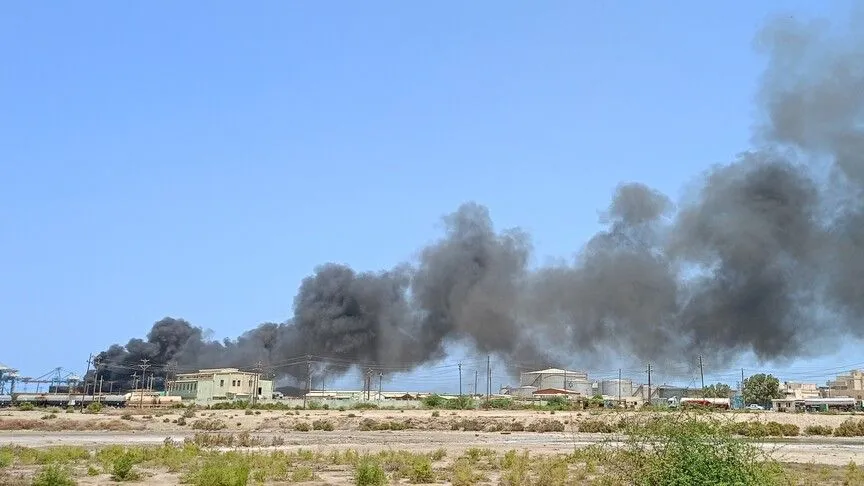
A drone strike on the Al-Markhiyat transformer station in Omdurman has disrupted electricity supplies across large parts of Sudan’s capital, Khartoum, worsening living conditions for residents already struggling with shortages of basic services.
The station was hit early on Tuesday, 27 October, and taken out of service, according to the Ministry of Energy and Petroleum. The ministry said the facility sustained extensive damage and that technical teams were assessing the site to determine the repairs needed to restore electricity.
The outages affected large parts of Khartoum and River Nile State, as well as areas in several other states, the ministry said. It did not give a specific timeline for restoring normal power supplies.
Abdel-Gadir Al-Sheikh, a resident of Khartoum, told Radio Tamazuj that prolonged electricity and water shortages, fuel scarcity, bakery closures and the spread of mosquitoes had further worsened living conditions.
He described the situation as extremely difficult, saying access to essential services had become increasingly challenging. He added that similar hardships were affecting people elsewhere in Sudan.
Repeated attacks
The strike followed drone attacks on electricity facilities in several states on Monday, 26 October. The Sudanese Electricity Company accused the paramilitary Rapid Support Forces (RSF) of targeting power stations in Al-Jazirah, Sennar, Al-Qadarif and White Nile states.
The affected facilities included Al-Junaid in Al-Jazirah State, Singa in Sennar State, Al-Hawata and Al-Faw in Al-Gedarif State, and Mashkour in White Nile State.
The attacks damaged electrical equipment and disrupted power supplies, raising concerns about the stability of Sudan’s national electricity grid.
Sudanese authorities also blamed the RSF for the attack on Al-Markhiyat.
The United Nations has expressed concern over continued drone attacks in Sudan and damage to critical civilian infrastructure, including electricity facilities.
Power cuts threaten essential services such as water supplies, healthcare and bakeries, adding to the hardships faced by civilians amid shortages and economic disruption.
Sudan has been at war since April 2023, when fighting erupted between the Sudanese Armed Forces and the RSF following disagreements over the integration of the paramilitary group into the regular military.
The conflict has killed tens of thousands of people, displaced millions and deepened hunger and the humanitarian crisis across the country, according to the United Nations and international estimates.

 and then