



The continued use of sanctions by the United States and its allies against individuals in South Sudan has done little to resolve the country’s longstanding political and security challenges. While sanctions are often intended to pressure leaders to change their behavior, experience has shown that they rarely produce the desired outcomes on their own. Instead, they can indirectly contribute to economic hardship that is ultimately felt most by ordinary citizens rather than the individuals being sanctioned.
South Sudan continues to face immense challenges, including economic instability, inflation, limited public services, and recurring political tensions. In such a fragile environment, restrictive measures can discourage foreign investment, limit economic opportunities, and weaken public confidence in the country’s future. The burden of these consequences is often carried by local communities already struggling to meet their basic needs.
There are lessons to be learned from other African countries that have experienced prolonged sanctions regimes. Zimbabwe, for example, was subjected to Western sanctions for many years to encourage political reforms and improved governance. While the sanctions increased international pressure on the country’s leadership, they did not produce the transformative changes many had anticipated.
Even after the political transition that led to the departure of former President Robert Mugabe in 2017, many Zimbabweans continued to face economic hardship, unemployment, inflation, and declining public services. The persistence of these challenges suggests that sanctions alone are often insufficient to resolve complex political and economic problems.
Similarly, South Sudan’s challenges are deeply rooted in historical grievances, weak institutions, governance deficits, economic fragility, and the unfinished implementation of peace agreements. These issues cannot be solved solely through punitive measures. Sustainable peace and stability require constructive engagement, dialogue, capacity building, and support for institutional reforms.
More than a decade after the outbreak of conflict in December 2013, numerous South Sudanese political and military figures have been subjected to sanctions, travel bans, and asset freezes. Yet the country’s political and security challenges persist, and many of those sanctioned have continued to operate with little visible impact on their influence or daily activities.
This raises legitimate questions about the effectiveness of sanctions as a primary policy tool for achieving peace, accountability, and stability in South Sudan.
If the objective is to help South Sudan achieve lasting peace, stability, and development, then the international community should reassess its approach. Continued reliance on sanctions that have shown limited results risks becoming a policy that consumes diplomatic energy without addressing the root causes of the crisis.
Meanwhile, ordinary citizens bear the indirect consequences through reduced economic opportunities, weakened investor confidence, and a struggling economy.
The United States and its allies should therefore prioritize constructive engagement over punitive measures. Greater support for peace implementation, institution-building, economic recovery, governance reforms, and inclusive political dialogue would likely produce more meaningful and sustainable outcomes. Accountability remains important, but it should be pursued alongside policies that encourage cooperation and national development rather than isolation.
In conclusion, after more than a decade of sanctions with limited evidence of significant political change in South Sudan, it is reasonable to question their effectiveness as a stand-alone strategy.
The experience of countries such as Zimbabwe demonstrates that even during political transitions, sanctions do not automatically translate into improved living conditions for ordinary citizens. South Sudan requires solutions that address the underlying causes of conflict and underdevelopment.
Rather than continuing a policy that has produced limited results while contributing to economic hardship, the international community should shift its focus toward engagement, partnership, investment, and support for long-term peacebuilding. Lasting peace in South Sudan will not be achieved through sanctions alone, but through genuine cooperation, strong institutions, and sustained commitment to the welfare of its people.
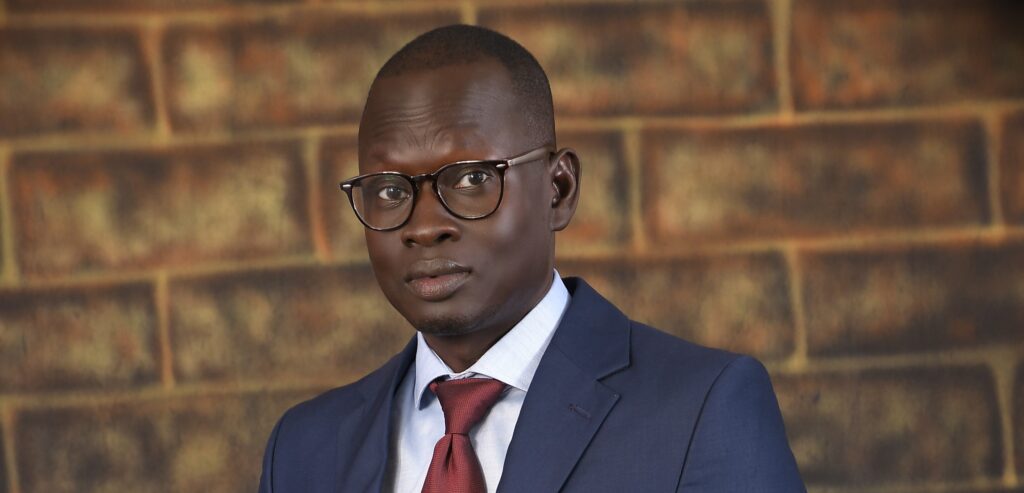
The writer is a media specialist and development practitioner. He can be reached via leek2daniel@gmail.com.
The views expressed in ‘opinion’ articles published by Radio Tamazuj are solely those of the writer. The veracity of any claims made is the responsibility of the author, not Radio Tamazuj.

 and then