



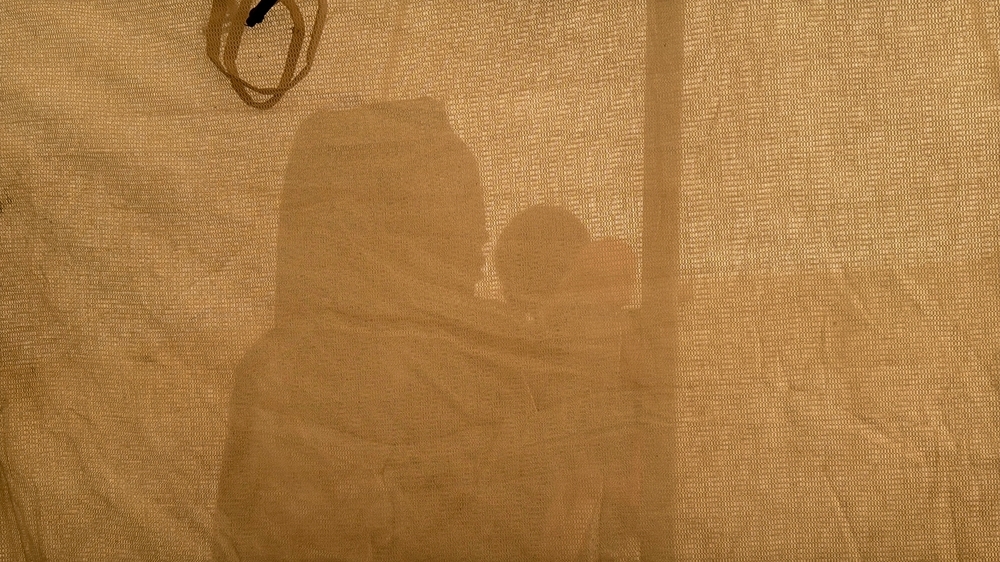
Three years of war in Sudan have left the country’s health system in ruins, humanitarian group Doctors Without Borders/Médecins Sans Frontières (MSF) said Wednesday, warning that ongoing violence, restricted aid access, and impunity are threatening millions of lives.
The conflict between the Sudanese Armed Forces (SAF) and the Rapid Support Forces (RSF), along with allied groups, has dismantled essential services, including healthcare, protection, food security, and public safety, MSF said.
In 2025, MSF treated more than 7,700 people for injuries related to violence, conducted over 250,000 emergency consultations, and provided more than 4,200 consultations for sexual violence, which is being used as a weapon of war, disproportionately affecting women.
More than 15,000 children under five were admitted to MSF feeding programs for acute malnutrition, which has been rising amid the conflict, heightening the risk of death from treatable illnesses.
Health Services Collapsing
Vaccination programs have been disrupted and disease-surveillance systems have broken down, allowing outbreaks of preventable diseases to spread. MSF reported treating over 12,000 patients for measles and nearly 42,200 for cholera in 2025.
“My baby girl was born prematurely because the war forced us to flee from Omdurman while I was pregnant,” said Ferdos Salih, mother of an 11-month-old in West Darfur suffering from measles and severe malnutrition. “She has had repeated hospitalizations and couldn’t get vaccinated.”
Hospitals have been looted, bombed, or occupied. Medical staff have been threatened, detained, or forced to flee, and ambulances have been blocked. Since April 2023, more than 2,000 people have been killed and 720 injured in 213 attacks on health facilities, with Sudan accounting for 82% of global deaths from attacks on healthcare in 2025, according to the World Health Organization. MSF documented 100 violent incidents targeting its staff, facilities, or medical supplies.
Recent attacks include an April 2 strike on Al Jabalain Hospital, reportedly by the RSF, that killed 10 people, including seven medical staff, and a March 20 attack on El Daein Hospital in East Darfur, reportedly by SAF, that killed 70, including 15 children.
“Sudanese authorities continue to make it difficult for MSF and other humanitarian groups to provide care,” said Amande Bazerolle, MSF head of mission in Sudan. “Being blocked from intervening leaves us unable to prevent avoidable suffering and death despite being ready and willing to help.”
Violence Against Civilians Intensifies
MSF reported a rise in drone attacks by both warring sides targeting civilian areas beyond the frontlines. Since February, the organization treated around 400 people injured in drone strikes in Darfur and eastern Chad. The United Nations reported over 500 civilian deaths from January 1 to March 15.
“The scale of violence and atrocity we witness is unbearable,” said Muriel Boursier, MSF emergency coordinator in Darfur.
Political Failure Fuels Crisis
The humanitarian crisis reflects what MSF describes as a collective political failure. Nearly 14 million people have been displaced since April 2023, with many forced to flee multiple times. Both SAF and RSF, who previously shared governance, continue to undermine the country’s capacity to protect and sustain its population.
“Protection of civilians, respect for healthcare facilities, accountability for atrocities, and sustained humanitarian access are urgent and non-negotiable,” Bazerolle said. “Three years of war have already cost Sudan immeasurably. Allowing this trajectory to continue risks condemning an entire generation.”
MSF urged warring parties to take immediate steps to protect civilians and called on international actors to pressure governments and financiers supporting the conflict.
Silence and inaction, the group said, are prolonging the suffering of millions.

 and then