



Community peace leaders in Juba have identified youth gangs, drug abuse, and insecurity as some of the leading threats facing neighbourhoods in the capital, warning that early warning signs of violence must be addressed before they escalate into larger security challenges.
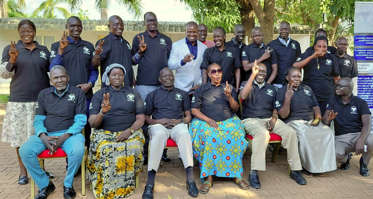
The concerns emerged during a two-day workshop organized by the Young Women Christian Association (YWCA), which brought together peace committee members from quarter councils across Juba to strengthen their skills in conflict prevention, mediation, and community-based early warning systems.
Participants mapped conflict hotspots and peace resources in their communities, identifying gang activity, locally known as “niggers”, as a recurring source of violence in several areas of the city.
“Violence does not immediately spark. There are signs of tension,” said Gizam Moses, a training consultant who facilitated the workshop. “By the time an incident is reported, critical measures need to be put in place to understand the root causes and prevent further escalation.”
He said participants identified areas including Shirikat, Lologo, Munuki, and parts of Gudele as hotspots where gang-related violence and criminal activities have been reported.
The workshop examined how community mapping can help residents and local authorities identify conflict-prone areas, improve communication, and strengthen responses to emerging security threats.
YWCA Project Officer Namisio Joy-Bage said gang violence, drug abuse, and domestic violence were among the most common concerns raised by participants.
“If these issues are not addressed, many young people are going to continue losing their lives,” she said
Participants also highlighted other challenges affecting communities, including land disputes, flooding, unemployment, and competition over limited resources.
Emmanuel Sacrifice Juma, deputy chairperson of Buluk Extension in Juba’s Zindia area, said drug abuse among young people remains a major concern.
“Land grabbing is a leading problem in our community. Security is also a problem, but drug abuse among young people has become very serious,” he said, adding that local leaders have been conducting awareness campaigns and engaging parents to discourage youth from joining criminal groups.
The workshop also emphasized the role of women in peacebuilding and conflict prevention.
Rahma Said Farajala Yekissu, a chairperson from Nimra Talata, said women play a critical role in protecting families and promoting peace within communities.
“When conflict comes, women think first about the safety of their children and families,” she said. “Women do not want war because they know its impact on communities.”
Organizers said the training equipped participants with skills in conflict analysis, mediation, accountability, and inclusive leadership, with a focus on strengthening local mechanisms for preventing violence.
At the end of the workshop, participants developed action plans and committed to sharing the lessons learned with their communities. At the same time, organizers said they would assess progress in the coming months.
“We have learned how to solve problems and how to listen to people before making decisions,” Rahma said. “This knowledge will help us serve our communities better.”

 and then