



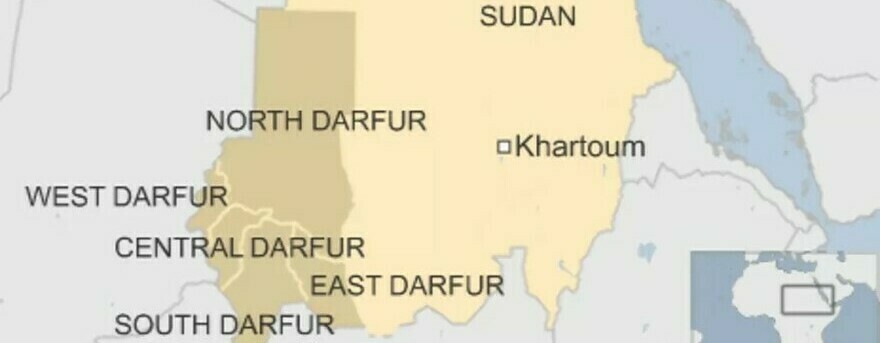
Civilians in Sudan are bearing the brunt of escalating violence, the United Nations said Thursday, citing a deadly drone strike on a wedding and ongoing clashes that have killed dozens more.
U.N. spokesman Stéphane Dujarric said at least 30 civilians, including women and children, were killed when a drone attack hit a wedding ceremony in Kutum, in North Darfur.
“The use of drones against civilians and civilian objects is unacceptable,” he said, stressing that all parties must protect civilians and infrastructure in line with international humanitarian law.
The Emergency Lawyers, a local rights group, and Resistance Committees in Al-Fasher, a grassroots group tracking the war, blamed the Wednesday attack on the Sudanese army in statements released on Thursday on social media.
The army could not immediately be reached for comment.
In South Kordofan, fighting around the town of Dilling since Monday has reportedly killed 47 civilians and injured dozens more, Dujarric added.
Humanitarian operations continue to face major disruptions, with key supply routes closed, preventing aid agencies from pre-positioning essential health, nutrition and water supplies ahead of the rainy season, which typically begins in June. Fuel prices have also surged, worsening already dire humanitarian conditions.
The United Nations renewed its call for an immediate cessation of hostilities and for rapid, safe and unimpeded humanitarian access to those in need.
Separately, the U.N. said more than 1 million Sudanese refugees in Chad are at risk of losing critical assistance due to funding shortages.
According to the World Food Programme and the UNHCR, a combined funding gap of $428 million is threatening food, water, shelter, health care and protection services for refugees.
Chad currently hosts about 1.3 million Sudanese refugees, including more than 900,000 who have fled since the conflict began in 2023. The country, ranked among the least developed by the United Nations Development Programme, has kept its borders open despite limited resources.
U.N. agencies said one in three people in eastern Chad is now a refugee, placing significant strain on local communities that continue to share limited resources.
Current funding allows basic assistance for only four out of every 10 refugees, leaving many without adequate shelter, water or health care. The World Food Programme, facing its own shortfalls, has already cut food assistance by half for most refugees.
The United Nations called on donors to urgently mobilize funding over the next six months to sustain life-saving aid, saying Chad’s continued openness should be matched by stronger international support.

 and then