



African Union envoy Jakaya Kikwete said South Sudan was prepared for elections scheduled for December after concluding a five-day visit to the country, the foreign ministry said on Tuesday.
Kikwete, the African Union High Representative for the Horn of Africa and the Red Sea, met President Salva Kiir, political stakeholders and electoral bodies during the visit to assess preparations for the vote and review implementation of the 2018 peace agreement.
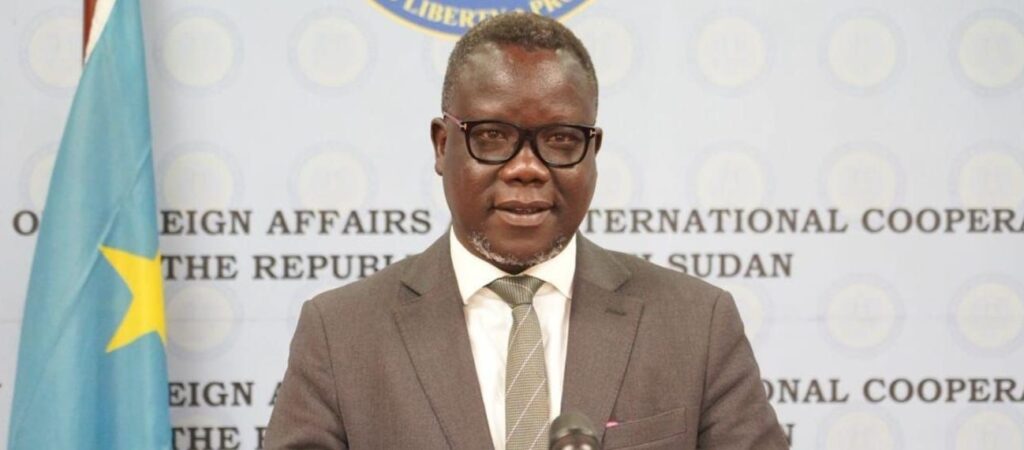
Speaking after Kikwete’s departure from Juba, Foreign Ministry spokesperson Ambassador Agok Anyar Madut said the former Tanzanian president had expressed satisfaction with the country’s readiness for the polls.
“His Excellency Kikwete expressed his satisfaction with the level of preparedness and readiness of the people of South Sudan for the forthcoming election,” Madut said.
He said Kikwete also held talks with parties to the revitalised peace agreement and participated in the Second Pan-African Engagement Forum, attended by African diplomats, representatives of the African Union, the United Nations and the Intergovernmental Authority on Development (IGAD).
According to Madut, Kikwete said he was pleased with the outcome of his consultations in Juba and wished South Sudan success in holding peaceful elections.
The envoy also thanked Kiir and the South Sudanese people for the reception accorded to him and his delegation and pledged support for the electoral process, Madut said.
Kikwete arrived in Juba last week amid renewed regional and international efforts to advance implementation of the Revitalised Agreement on the Resolution of the Conflict in South Sudan (R-ARCSS) and promote inclusive political dialogue ahead of the planned vote.
South Sudan is preparing to hold its first elections since independence in 2011. The polls have been repeatedly postponed because of delays in implementing key provisions of the 2018 peace agreement, including security arrangements and constitutional reforms.
Kiir’s government has insisted that elections should proceed in December, while some opposition groups argue that conditions for a credible vote have not yet been met.
Among them is the Sudan People’s Liberation Movement-in-Opposition (SPLM-IO), led by First Vice President Riek Machar, a principal signatory to the peace agreement. Machar is currently being held in Juba and faces treason charges.
Before travelling to South Sudan, Kikwete met opposition groups in Dar es Salaam, including the United People’s Alliance (UPA), the South Sudan Opposition Movements Alliance (SSOMA), the SPLM-IO faction aligned with Machar, the People’s Coalition for Civil Action (PCCA) and the People’s Resistance Front (PRF).
Kikwete was appointed in March as the African Union’s High Representative for the Horn of Africa and the Red Sea, a role that includes supporting South Sudan’s peace process.
The African Union’s Ad Hoc High-Level Committee on South Sudan (C5) has backed implementation of the peace agreement and called for inclusive dialogue among signatories.
On Monday, South Sudan’s National Elections Commission set Dec. 22, 2026, as the date for the country’s long-delayed general elections, while warning that legal inconsistencies and funding shortages could hamper preparations.
National Elections Commission Chairperson Abednego Akok Kacuol said the date was set in accordance with electoral law requiring the commission to announce polling at least six months in advance, but acknowledged gaps and contradictions in the legal framework governing the process.

 and then