



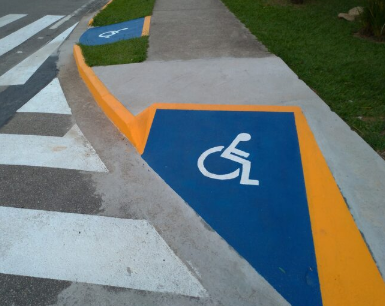
Equal opportunities in education and employment remain elusive for the vast majority of South Sudanese with disabilities, with formal educational institutions largely lacking accessible infrastructure, specialized teaching materials, and trained personnel equipped to support children with diverse learning needs, resulting in exceptionally high rates of out-of-school children with disabilities.
In response to these systemic challenges, Light for the World is calling for greater inclusion and equal opportunities for persons with disabilities across South Sudan, highlighting sports as a powerful vehicle for change.
Speaking at the opening of a two-day workshop on Wednesday in Juba, Light for the World Country Director Sophia Mohammed detailed the organization’s ongoing work to champion disability rights across education, economic empowerment, and humanitarian action.
“We want to work together to make sure that we support the most marginalized groups,” Mohammed told state authorities from the Ministries of Youth and Sports and Gender, Child and Social Welfare. “Football or any sport is a good tool to raise awareness; we have to make sure that children or adults with disabilities access any service we have in the country equally, just like people without disabilities.”
She added that a central spotlight of the workshop was the “United by Sports” initiative, a project funded by the Adidas Foundation that launched last year across three counties, including Juba.
Mohammed noted that a major focus is supporting the national blind football team as they compete for a place on the world stage—starting with a tournament in Egypt this November, which serves as a qualifier for the 2028 Los Angeles Paralympic Games.
Meanwhile, Hakim D. Chris, Vice President of the South Sudan National Paralympic Committee, said: “Creating an inclusive environment is essential.”
He pointed out that persons with disabilities—particularly women—continue to face significant barriers to exercising their basic rights. He urged the government to strengthen inclusion across all sectors, emphasizing the urgent need for accessible infrastructure in public transport, hotels, and community facilities.

 and then