



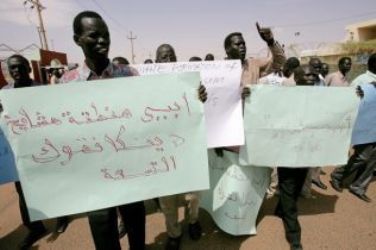
The Abyei Youth Association in Juba has renewed its call for South Sudan to recognise the results of a unilateral 2013 community referendum in which an overwhelming majority of participants voted for the disputed territory to join South Sudan.
In a statement issued over the weekend to mark the 13th anniversary of the vote, the Ngok Dinka youth association urged the South Sudanese government to formally recognise the results, saying they reflect the political aspirations of the people of Abyei.
The Ngok Dinka community, whose members identify with South Sudan, organised the unilateral referendum from October 27 to 29, 2013. The results, announced on October 31, showed that 99.99% of participants had voted in favour of joining South Sudan.
Neither Sudan nor South Sudan has recognised the vote, which was also not endorsed by the international community.
Abyei remains disputed between the two countries, with a key point of disagreement being who should be eligible to vote in a referendum on the territory’s future. The Ngok Dinka consider Abyei their ancestral home, while the Misseriya, an Arab pastoralist community that identifies with Sudan, seasonally migrate through the area with their livestock.
The youth association also called on the governments of Sudan and South Sudan, the African Union, the United Nations and the wider international community to renew efforts towards a just and lasting resolution of the dispute.
It said the continued uncertainty over Abyei’s status had affected residents’ lives and livelihoods, citing limited access to essential services, including roads, quality schools and clean drinking water. It added that the absence of a final settlement had discouraged investment and slowed development in the area.
The association said the people of Abyei deserved lasting peace, security, meaningful investment and opportunities to live with dignity.
Addressing residents, particularly younger generations, it urged them to remain resilient, united and hopeful, and to continue pursuing their aspirations through peaceful and organised efforts.
“The journey may be long, but our determination must remain strong. We must continue to stand for our rights through peaceful, organised and consistent efforts,” the statement said.
The association said the people’s aspirations had not diminished despite years of waiting. It urged the community to use the anniversary to reflect on its history, strengthen unity, encourage younger generations and keep its aspirations alive.
It said Abyei’s future should not be defined by prolonged uncertainty but by peace, dignity, recognition and the opportunity for its people to determine their destiny.
“Thirteen years later, our call remains the same: Recognise the will of the people of Abyei. Our voice is still loud, our hope remains alive, and our determination continues,” the statement said.
“A people’s will cannot be buried by time, nor can their voice be silenced by years of waiting. The 99.99% spoke loudly in 2013; thirteen years later, that voice remains alive, and the hope for recognition remains unshaken,” it added.
Background
Abyei is a disputed territory claimed by both Sudan and South Sudan. Under the 2005 Comprehensive Peace Agreement (CPA), which paved the way for South Sudan’s independence, Abyei was due to hold a separate referendum to determine whether it would remain part of Sudan or join the newly independent South Sudan.
The vote was scheduled to take place alongside South Sudan’s January 2011 independence referendum but was postponed after the two countries failed to agree on voter eligibility.
The main disagreement centred on whether members of the Misseriya community, who identify with Sudan and seasonally migrate through Abyei with their livestock, should be allowed to participate. The Ngok Dinka, who identify with South Sudan and regard Abyei as their ancestral homeland, were also central to the dispute over eligibility.
In October 2013, after years of delays in organising the internationally agreed referendum, members of the Ngok Dinka community held a unilateral vote without the participation of the Misseriya community.

 and then