



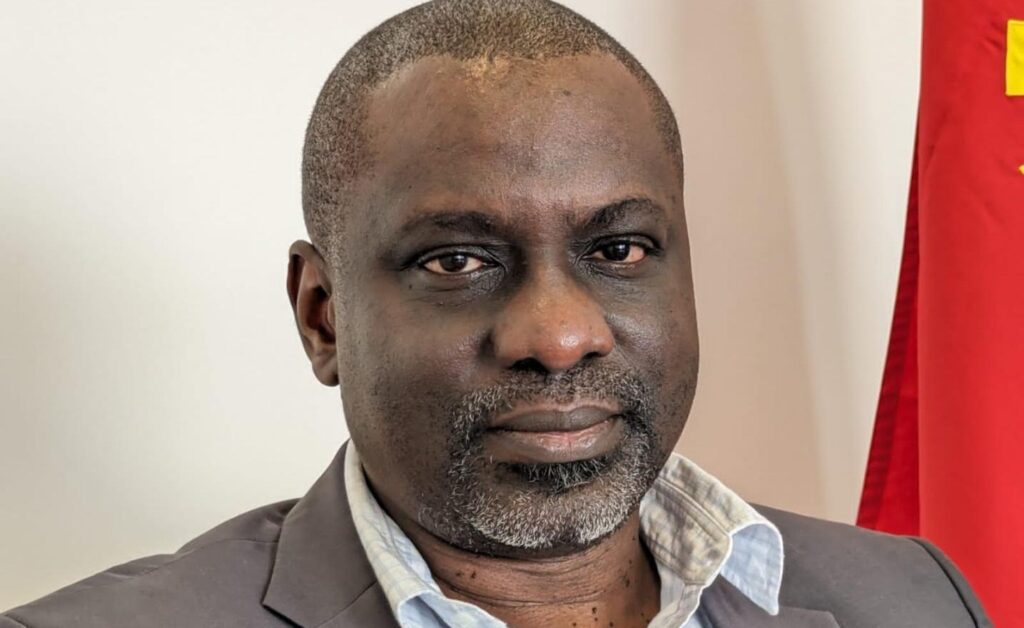
South Sudan is facing a worsening health emergency driven by conflict, displacement, flooding, food insecurity and recurring disease outbreaks, a World Health Organization official said.
The assessment was presented on Tuesday during a United Nations briefing in Geneva chaired by Alessandra Vellucci, director of the United Nations Information Service (UNIS). The hybrid briefing included representatives from several U.N. agencies and humanitarian organizations, including the World Food Programme, the Office of the U.N. High Commissioner for Human Rights, the World Health Organization and the International Federation of Red Cross and Red Crescent Societies.
Dr. Humphrey Karamagi, the WHO representative in South Sudan, said the crisis is unfolding as the country’s already fragile health system struggles to cope. In 2026, an estimated 6.3 million people will need health assistance, while more than 10 million will require some form of humanitarian support.
Recent violence in Jonglei and other affected areas has forced people to flee, increasing demand for health care, food, shelter and water, sanitation and hygiene services. Since late December 2025, at least 11 health facilities in Jonglei state have been attacked, including hospitals, primary health care centers and outreach sites.
Facilities have been bombed, looted, vandalized or forced to close, while ambulances and humanitarian vehicles have been seized or destroyed. The disruption of vaccination, disease surveillance and referral systems has heightened the risk of rising illness and deaths, Karamagi said.
South Sudan continues to grapple with outbreaks of cholera, measles, mpox, malaria, acute watery diarrhea, respiratory infections and severe acute malnutrition. A cholera outbreak that began in September 2024 remains one of the country’s most serious, though response efforts have helped reduce deaths and slow transmission in some areas.
WHO, working with the Ministry of Health and partners, has scaled up disease surveillance, rapid response teams, vaccination campaigns and the delivery of essential medicines and supplies. In 2025, partners supported the distribution of 4 million doses of oral cholera vaccine in 15 high-risk counties.
The country also has the world’s highest maternal mortality rate, estimated at more than 2,000 deaths per 100,000 live births. WHO says it is supporting efforts to expand maternal and newborn care in hard-to-reach areas.
WHO’s 2026 health emergency appeal seeks $12.4 million to sustain operations and strengthen preparedness, as part of a broader $114 million humanitarian health response plan targeting 6.3 million people.
Karamagi called for safe humanitarian access, protection of health workers and facilities, and sustained funding, warning that gaps in care will widen without urgent support.
Separately, the International Federation of Red Cross and Red Crescent Societies said the crisis in neighboring Sudan is spilling across borders and worsening conditions in South Sudan.
“The humanitarian situation is deteriorating by the second,” said Daniëlle Brouwer, a communications coordinator with the IFRC. “Funding is drying up while needs continue to rise.”
In the northern town of Renk, thousands of people are struggling to survive with limited food and water. A hospital serving about 60,000 people is running low on medicines, while a transit center hosting about 8,000 displaced people has capacity for only 2,000.
Brouwer described meeting a mother who walked about 500 kilometers from Khartoum with her two young daughters and has been living in a makeshift shelter for months.
The approaching rainy season is expected to worsen conditions, with many families living in fragile shelters vulnerable to flooding and waterborne diseases.
Similar challenges are emerging in eastern Chad, where water shortages and reduced food aid are compounding hardship for displaced populations.
Across the region, Red Cross and Red Crescent volunteers are providing water, sanitation, cash assistance and other support, but aid groups warn that growing needs and funding shortfalls are straining response efforts.
IFRC also cited supply chain disruptions linked to conflicts in the Middle East, which have delayed the delivery of aid, including tents and cholera treatment kits.
Aid groups say urgent international support is needed to prevent the crisis from worsening further.

 and then