



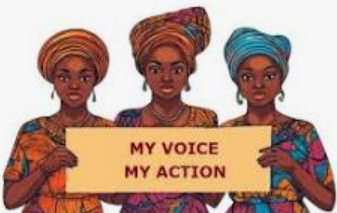
Twenty women leaders from various sectors in the Eastern Equatoria State capital, Torit, have undergone a transformational leadership and peacebuilding training organized by the United Nations Development Programme (UNDP).
The training was funded by the Korea International Cooperation Agency (KOICA) as part of its Peace and Community Cohesion Project.
Aimed at strengthening the capacity of women leaders in promoting peace, preventing conflicts, and fostering community cohesion across the state, the State Ministry of Peacebuilding and the Ministry of Gender coordinated the training, which was facilitated by the National Transformational Leadership Institute (NTLI) of the University of Juba,
Margaret Ladu of the UNDP Peace and Community Cohesion Project said the initiative is part of ongoing efforts to support peacebuilding and prevent violent extremism in Eastern Equatoria. The project is currently being implemented in the five counties of Torit, Magwi, Ikotos, Kapoeta East, and Kapoeta South.
“We are training women leaders on transformational leadership and peaceful conflict resolution,” she stated. “The goal is to help them become agents of change who can build networks, advocate for peace, and promote harmony in their communities.”
Ladu noted that the 20 participants were drawn from various backgrounds, including government institutions, civil society organizations, religious groups, traditional leadership structures, and peace committees.
“We believe these women will go back and spread the message of peace to their families, neighbors, and communities so that we can achieve sustainable peace in Eastern Equatoria,” she added.
For his part, Fr. Auxilio Odume Raymondo, Director General in the Eastern Equatoria State Ministry of Peacebuilding, described the training as a timely intervention aimed at raising awareness among women leaders about the importance of peacebuilding amid ongoing social and economic challenges facing communities.
“This is a refresher training intended to create awareness and orient women leaders to the realities people are facing today, including economic hardships, family conflicts, educational challenges, and other issues affecting communities,” he explained. “A woman is at the center of the family. By empowering women with peacebuilding skills, we are strengthening the foundation of peace from the household level to the wider community and the state at large.”
Fr. Odume noted that some participants came from communities recently involved in local peace dialogues, including areas affected by intercommunal tensions, and are expected to help consolidate peace efforts upon their return.
Meanwhile, Lachimi Rose Tukai, Executive Director of Women Initiative for Humanitarian and Development Organization (WIHDO), said the training comes at a critical time when the state continues to face challenges such as child marriage, forced marriage, child compensation practices, and recurring communal conflicts.
“We need peace in Eastern Equatoria,” she stated. “The time has come for us to continue talking to our communities, our youth, our women, and our families about peaceful coexistence. We do not need to go back to conflict.”
Tukai further emphasized the need for grassroots peace education, urging development partners to extend similar trainings to remote communities where awareness about peacebuilding is limited.
For her part, Davidika Ikai Grasiano, Executive Director of ITWAK Women Empowerment, said the training reinforced the importance of early warning systems, conflict prevention, reconciliation, and community dialogue.
“Peacebuilding begins at home, then extends to neighbors, communities, and society as a whole,” she said. “This training has reminded us of our responsibility as women to identify challenges in our communities and work towards peaceful solutions.”
The training forms part of broader efforts by UNDP and its partners to strengthen community resilience, enhance social cohesion, and support sustainable peace across Eastern Equatoria State.

 and then