



Refugees are contributing to South Sudan’s economy as entrepreneurs, employers and business owners, officials and aid agencies said on Thursday, urging investment in programmes that help displaced people build livelihoods.
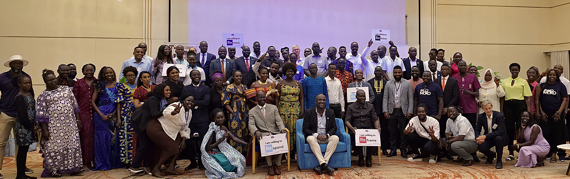
The appeal came during an event in Juba that brought together government officials, the United Nations, banks, telecommunications firms, and refugee entrepreneurs to discuss economic inclusion for displaced people.
“Refugees are not only beneficiaries of assistance; they are entrepreneurs, investors, employers, and contributors to local economic growth,” said Mesfin Degefu, deputy representative of the UN refugee agency UNHCR in South Sudan.
South Sudan hosts more than 600,000 refugees and asylum seekers while also responding to the arrival of more than 1.3 million people (returnees and refugees) fleeing the conflict in neighbouring Sudan, according to UNHCR.
Degefu said humanitarian assistance remained essential but should increasingly be complemented by access to finance, skills development, markets, and private-sector investment.
“When barriers are removed and opportunities are created, refugees and host communities can thrive together,” he said.
South Sudan’s Deputy Commissioner for Refugee Affairs, John Dabi, said refugees brought skills and knowledge that could help strengthen the country’s economy.
“Refugees are not just people fleeing war or conflict, but they are people with skills, knowledge, and potential,” he stated.
He pointed to refugee doctors and medical professionals who had established private health facilities in South Sudan after fleeing conflict elsewhere in the region.
“We benefit from these services, the skills, the knowledge,” Dabi said. “Let’s have refugees integrated into our system.”
The event was organised by Inkomoko, a business development organisation that supports refugees, returnees, internally displaced people, and host communities through entrepreneurship training and access to finance.
William Ngabonziza, Inkomoko’s managing director in South Sudan, said the organisation is seeking to change perceptions of refugees by highlighting their economic contributions.
“When given a chance to do business, they pay taxes, they create jobs, they build, and they take children to school,” he said.
Among the entrepreneurs featured was Christine, a refugee from the Democratic Republic of Congo who fled conflict in 2018 and later settled in South Sudan after spending time in Uganda.
After losing her husband during displacement, she built a fish-trading business in Juba to support her five children. The business was destroyed when a fire swept through Custom Market in December 2025, wiping out her stock and livelihood.
With support from Inkomoko, including business training and financing, she restarted the business and resumed trading.
Dr. Addis Ababa Othow, managing director of Equity Bank South Sudan, said access to financial services was key to economic transformation and urged more private-sector support for refugee entrepreneurs.
“We are also here to reflect on how we can collectively create a sustainable pathway to economic inclusion, self-reliance, and shared prosperity,” he said.
Speaking on behalf of the Swiss Agency for Development and Cooperation, First Secretary Larissa Beutler said refugee entrepreneurs were already making significant contributions to local economies and communities.
The event formed part of activities marking World Refugee Day on June 20, which this year focuses on challenging perceptions of refugees and promoting their inclusion in economic and social life.
UNHCR said stronger partnerships between governments, development agencies, financial institutions, and the private sector would be needed to help refugees move from dependency to self-reliance and contribute fully to the economies of the countries hosting them.

 and then