



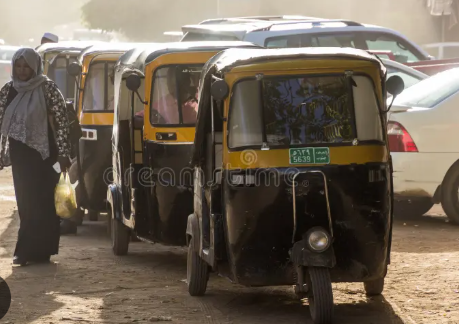
Residents of Sudan’s Blue Nile region, particularly in the cities of Damazin and Roseires, are facing a worsening transport crisis, amid complaints about a shortage of public transport and rising fares on several routes.
The situation has compounded people’s hardships amid difficult living conditions and declining purchasing power.
Residents say they are struggling to find transport, with long waiting times at bus stops and stations, as well as overcrowding when vehicles become available. These difficulties have made daily journeys to workplaces, markets and educational institutions increasingly challenging.
Al-Tahir Sabit, who lives in northern Damazin, said he had been waiting for transport since 9 a.m. in vain due to the absence of tuk-tuks and minibuses.
“Tuk-tuk fares have risen to 3,000 Sudanese pounds due to rising fuel prices. There is only fuel in the black market,” he said. “The situation is extremely difficult, and I had to wait for transport for over an hour. When transport becomes available, passengers have to deal with overcrowding.”
Sabit called on the relevant authorities to intervene and address the crisis.
Tuk-tuk fares on the Market-Northern Zareiba route have risen from 2,000 to 3,000 Sudanese pounds, while minibus fares have increased from 1,000 to 1,200 pounds.
Fares on the Grand Market in Damazin–Roseires route have also risen from 3,000 to 4,000 pounds. On the Grand Market–Southern Zareiba route, fares for Atos-brand cars have increased from 2,000 to 3,000 pounds, while minibus fares have risen from 1,500 to 2,000 pounds.
The increases have placed an additional burden on households, particularly low-income families, students and employees who rely on public transport every day.
Atif Abdallah, a civil society activist, said Damazin and Roseires were experiencing a severe transport crisis due to fuel shortages, particularly diesel and petrol. He added that the crisis was a direct reflection of the conditions created by the war, saying residents were bearing the consequences every day.
“I urge the government and relevant authorities to strengthen oversight of transport fares, ensure fuel supplies and identify alternative solutions to ease the crisis,” he said.
Meanwhile, transport operators are facing mounting challenges linked to higher operating and maintenance costs, as well as difficulties obtaining fuel. They say these factors are affecting the number of vehicles in service and their ability to continue providing transport.
Jamal Makki, a tuk-tuk rider, said operators were also struggling with rising operating costs, explaining that a fare of 2,000 pounds no longer covered the expenses of running the business.
“Most of our earnings go towards buying petrol and covering routine maintenance costs,” he said. “Waiting in fuel queues has directly reduced working hours and daily income.”
Residents are calling for urgent intervention by the relevant authorities to address the crisis by improving fuel availability, increasing the number of vehicles in service and reviewing and regulating fares in a way that takes account of both operating costs and people’s economic circumstances.
The relevant authorities were unavailable for comment by the time of publication.
As transport remains scarce and fares continue to rise, residents across the Blue Nile region are facing growing hardship amid deteriorating living conditions and the continuing effects of the war.
Military confrontations between the Sudanese army and the Rapid Support Forces are ongoing in several localities in the region, including Kurmuk, Geissan and Wad Al-Mahi.

 and then